Melayu
 English
 français
 Deutsch
 italiano
 русский
 español
 português
 العربية
 Nederlands
 한국의
한국의 Romania
 Bulgaria

Menurut Buku Panduan Penyahgaraman & Penggunaan Semula Persatuan Penyahgaraman Antarabangsa (IDRA) (2024–2025), kini terdapat kira-kira 23,000 penyahgaraman air laut loji di seluruh dunia, dengan jumlah kapasiti 98.98 juta m³/hari, memenuhi keperluan air kira-kira 300 juta orang. Data industri lain menunjukkan bahawa pada tahun 2022, bilangan loji penyahgaraman global telah mencecah 22,757. Teknologi osmosis songsang (RO) mendominasi sektor ini, menyumbang 75% daripada pasaran penyahgaraman global pada tahun 2025. Selain penyahgaraman air laut, stok projek rawatan air berasaskan membran dalam air tulen perindustrian, penggunaan semula air dan perbandaran rawatan air adalah lebih besar lagi. Pasaran peralatan RO global dijangka melebihi US$12 bilion pada tahun 2025. Jumlah projek bioreaktor membran MBR di seluruh dunia telah melebihi 3,400, hampir dua kali ganda sejak tahun 2020.
Pada masa ini, projek rawatan air global sedang memasuki fasa operasi dan penyelenggaraan berpusat berikutan pentauliahan berskala besar. Tempoh dari 2018 hingga 2021 menyaksikan kemuncak dalam pemasangan membran RO berjenama antarabangsa (Dow, Hydranautics, Toray, Saehan, dll.), dengan sebilangan besar projek telah disiapkan dan beroperasi dalam tempoh ini. Mengambil pasaran Asia Timur sebagai contoh, jangka hayat reka bentuk membran RO berjenama antarabangsa biasanya 3–5 tahun, dengan syarat kualiti air suapan memenuhi piawaian (SDI ≤ 3, klorin baki < (0.1 mg/L, dsb.). Dalam aplikasi perindustrian, elemen membran biasanya digantikan setiap 1–2 tahun. Bagi projek rawatan air dengan kapasiti lebih 10,000 tan sehari, penggantian membran diperlukan setiap 3–5 tahun. Sesetengah kawasan pesisir pantai di China telah pun memasuki kitaran penggantian membran berskala besar. Timur Tengah, Eropah dan Amerika juga menghadapi permintaan penggantian tertumpu yang serupa.
Berdasarkan anggaran komprehensif, projek membran RO yang menggunakan jenama antarabangsa yang dipasang antara 2018 dan 2021 kini telah memasuki tempoh penggantian sepenuhnya. Projek-projek ini merangkumi kedua-dua penyahgaraman air laut dan sektor perindustrian/perbandaran.
Sektor penyahgaraman air laut: Antara kira-kira 23,000 loji penyahgaraman air laut di seluruh dunia, teknologi RO menyumbang 75%, bermakna lebih daripada 17,000 loji dilengkapi dengan sistem membran RO. Antaranya, projek penyahgaraman RO yang baru dibina atau diperluas antara 2018 dan 2021 kini memasuki kitaran penggantian membran pekat.
Sektor perindustrian dan perbandaran: Berpuluh-puluh ribu sistem RO di seluruh dunia untuk air tulen perindustrian, penggunaan semula air dan rawatan air perbandaran juga menghadapi permintaan penggantian.
Menurut kajian industri, kira-kira satu perlima daripada pengguna rawatan air membran di seluruh dunia menghadapi keperluan untuk penamatan dan penggantian membran setiap tahun. Memandangkan pemasangan puncak yang tertumpu dari 2018–2021, perkadaran projek yang memasuki kitaran penggantian pada 2025–2026 dijangka jauh melebihi purata ini, dengan beberapa wilayah (seperti pesisir China) sudah jelas berada dalam "kitaran penggantian membran berskala besar".
Pasaran perkhidmatan penggantian sistem membran global mencecah US$18.74 bilion pada tahun 2025, peningkatan tahun ke tahun sebanyak 9.2%. Pasaran pengubahsuaian dan penaiktarafan sistem membran bernilai US$1.93 bilion, dengan kadar pertumbuhan tahunan kompaun yang dijangkakan sebanyak 8%. Kajian lain menganggarkan bahawa lebih daripada 2 juta membran RO akan dilupuskan secara global setiap tahun menjelang 2025 – angka-angka ini secara tidak langsung mengesahkan skala permintaan penggantian yang sangat besar.
Di sebalik permintaan penggantian berskala besar ini terletaknya titik kesukaran utama yang diterangkan dalam artikel ini: halangan yang tinggi terhadap penyelenggaraan membran RO pengeluar peralatan asli (OEM), monopoli alat ganti OEM, masa tunggu penggantian rentas sempadan yang panjang, dan kos operasi dan penyelenggaraan jangka panjang yang berterusan tinggi. Lima pembekal membran teratas dunia secara kolektif memegang 71.5% bahagian pasaran, dan struktur bekalan yang sangat tertumpu ini memburukkan lagi kesukaran operasi yang dihadapi oleh pengguna akhir. Pada tahun 2025, kira-kira 41% kontrak perkhidmatan penggantian telah beralih kepada model seperti "dirawat bayar setiap volum" atau "jaminan prestasi aset," yang mencerminkan keperluan mendesak pasaran untuk penyelesaian operasi dan penyelenggaraan yang kos efektif.
Berbanding dengan elemen membran serasi generik, membran asal yang diimport mempunyai keperluan penyelenggaraan dan penggantian yang sangat eksklusif, dengan pelbagai sekatan operasi:
Pembaikan kerosakan membran gelung tertutup dengan kebolehlaksanaan di tapak yang sangat rendah: Membran RO poliamida jenama antarabangsa mempunyai salutan proprietari, proses pengedap pelekat dan struktur dalaman yang tertutup dan dilindungi sepenuhnya oleh pengeluar asal. Bahan kimia pembersihan global standard dan peralatan pengubahsuaian luar talian tidak serasi dengan struktur membran asal, menjadikan pembaikan kerosakan rutin sangat sukar:
Di bawah keadaan air permukaan berkekerasan tinggi, air mentah pesisir yang mempunyai kemasinan tinggi, atau air sisa guna semula biokimia, permukaan membran sangat mudah terdedah kepada lendir biologi, kerak bukan organik, koloid dan pengotoran minyak. Bahan kimia pembersih proprietari jenama asal berharga premium, dengan kos perolehan tempatan yang tinggi di luar negara. Jika agen pembersih yang mematuhi piawaian pihak ketiga digunakan, ia boleh merosakkan salutan anti-pengotoran proprietari pada permukaan membran dengan mudah, mengakibatkan kehilangan penolakan garam secara kekal. Data operasi yang diukur menunjukkan bahawa selepas pembersihan yang tidak mematuhi piawaian OEM, penolakan garam membran asal boleh menurun daripada standard 99.4% kepada di bawah 85%, menjadikannya pada asasnya tidak berguna.
Tukul air, kegagalan penapisan prarawatan, calar pada permukaan membran daripada zarah keras dan penuaan/kebocoran pengedap hujung adalah kegagalan perkakasan biasa untuk membran asal yang diimport. Semua jenama antarabangsa utama menggunakan proses pembungkusan tertutup bersepadu. Daun membran, ruang suapan dalaman, penyesuai hujung dan penutup hujung tekanan tidak boleh ditanggalkan dan diganti secara berasingan. OEM hanya menyediakan perkhidmatan penggantian elemen lengkap – walaupun untuk kerosakan hujung kecil atau kegagalan pengedap, keseluruhan elemen mesti dikikis dan diganti, mengakibatkan toleransi kerosakan yang sangat rendah untuk pembaikan.
Membran asal yang diimport mempunyai julat toleransi pH tetap dengan toleransi kerosakan yang rendah. Pembersihan asid atau alkali bukan standard di tapak boleh menyebabkan pembengkakan, delaminasi atau koyakan lapisan membran. Penyedia penyelenggaraan pihak ketiga tempatan di luar negara tidak mempunyai teknik pemulihan – satu-satunya pilihan adalah mengembalikan membran ke kilang OEM di luar negara untuk dibaiki. Logistik pergi balik dan garis masa pemeriksaan/pembaikan mengambil masa 2–3 bulan, secara langsung menyebabkan penutupan sistem yang berpanjangan di kilang.
Apabila mana-mana jenis kerosakan tidak dapat dipulihkan berikut berlaku pada elemen membran, dan prestasi tidak dapat dipulihkan melalui pembersihan kimia luar talian atau pengoptimuman prarawatan sahaja, penggantian elemen membran sepenuhnya disyorkan. Kriteria tersebut terbahagi kepada tiga kategori: degradasi prestasi, kerosakan struktur fizikal dan ekonomi operasi.
Penurunan penolakan garam yang ketara: Selepas pembetulan di bawah keadaan standard (25°C, tekanan operasi yang dinilai, kadar pemulihan tetap), penolakan garam menurun lebih daripada 10%–15% daripada nilai awal membran baharu, dengan TDS dan kekonduksian air produk melebihi had untuk tempoh yang lama. Selepas 2–3 pusingan pembersihan asid, alkali dan biologi standard, penolakan garam tidak dapat dipulihkan ke julat pengeluaran yang boleh diterima (untuk membran perindustrian konvensional, penolakan garam di bawah 85% secara amnya menjadikannya tidak berguna).
Penurunan fluks permeat yang tidak boleh dipulihkan: Di bawah parameter operasi yang sama, aliran permeat sistem menurun sebanyak 15%–20% berbanding membran baharu. Selepas mengecualikan faktor luaran seperti penyumbatan penapis kartrij, suhu air suapan yang rendah atau tekanan yang tidak mencukupi, aliran mungkin pulih buat sementara waktu selepas pembersihan tetapi menurun semula dengan cepat – menunjukkan pemadatan lapisan aktif membran dan penyumbatan kekal saluran aliran dalaman.
Tekanan pembezaan tinggi yang berterusan: Tekanan pembezaan antara saluran atau tekanan pembezaan sistem keseluruhan meningkat lebih daripada 50% berbanding membran baharu, mengakibatkan penggunaan tenaga yang jauh lebih tinggi disebabkan oleh operasi tekanan tinggi yang kerap. Selepas pembersihan, pengurangan penurunan tekanan adalah kurang daripada 30%, bermakna kerak bukan organik, koloid dan biofilem telah terbenam jauh dalam lapisan penjarak suapan dalaman membran dan tidak boleh disingkirkan sepenuhnya.
Kehilangan kawalan kekerapan pembersihan: Selang pembersihan rutin yang pada asalnya 3–6 bulan dipendekkan kepada pembersihan kimia bulanan atau dua kali seminggu. Kos bahan kimia, buruh dan masa henti yang semakin meningkat menjadikan operasi jangka panjang tidak mampan dari segi ekonomi.
Permukaan membran tercalar oleh zarah keras, pengoksidaan/hidrolisis atau kakisan asid/alkali yang membawa kepada delaminasi, mengakibatkan kekeruhan berterusan dan pencemaran zarah dalam air produk. Keretakan tiub tengah, ubah bentuk gulungan membran (teleskop), atau kebocoran pengedap yang tidak boleh dibaiki secara individu. Kemusnahan kekal lapisan aktif poliamida disebabkan oleh pendedahan klorin yang berpanjangan melebihi had atau operasi pH yang melampau – tiada proses pemulihan wujud.
Elemen membran telah beroperasi selama 3–5 tahun (5–8 tahun untuk membran penyahgaraman air laut), mencapai jangka hayat reka bentuknya, dengan prestasi memasuki fasa penurunan yang pesat. Model jenama import asal telah dihentikan pengeluarannya di seluruh dunia, tanpa alat ganti OEM atau sokongan teknikal yang tersedia, menjadikan kerosakan pada masa hadapan tidak dapat dibaiki.
Bagi sistem lama yang kerap mengalami kegagalan membran individu, penggantian separa dengan membran baharu dan lama yang bercampur boleh menyebabkan ketidakseimbangan hidraulik, sekali gus mempercepatkan proses pelupusan keseluruhan rangkaian membran. Penggantian keseluruhan set secara kelompok adalah disyorkan. Bagi pangkalan membran import yang dipasang di luar negara daripada Dow, Hydranautics, Toray, Saehan dan jenama lain, syarikat kami menyediakan perkhidmatan sehenti penuh yang meliputi diagnostik pra-jualan, bekalan membran, penyelenggaraan jangka panjang dan pengubahsuaian sistem – memenuhi keperluan kitaran hayat penuh projek luar negara:
●Ujian kualiti air komprehensif jarak jauh (TDS, kekerasan, COD, nitrogen ammonia, kekeruhan, SDI), digabungkan dengan data tekanan pembezaan operasi di tapak, aliran permeat dan penolakan garam, untuk mengeluarkan laporan penilaian hayat membran.
●Pemilihan penggantian setara untuk model membran lama yang diimport: padankan membran penggantian dengan saiz, kadar aliran dan spesifikasi penolakan garam yang sama berdasarkan dimensi membran asal, membezakan antara membran air payau, anti-kotoran, penyahgaraman air laut dan membran khusus tekanan rendah, memberikan perbandingan prestasi bersebelahan.
●Pengoptimuman keadaan operasi projek: melaraskan kadar pemulihan, dos kimia dan proses prarawatan untuk memanjangkan hayat perkhidmatan membran import sedia ada dan menangguhkan pelaburan penggantian.
●Stok membran gantian setara syarikat kami boleh didapati di rak.
●Spesifikasi universal standard 4040/8040 dikekalkan dalam inventori. Bagi model khusus atau bukan standard yang dihentikan, pengeluaran tersuai boleh diatur. Sokongan untuk eksport rentas sempadan kontena penuh, termasuk pengisytiharan kastam, penghantaran dan dokumentasi eksport lengkap.
●Bekalan serentak semua bahan habis pakai sokongan: penutup hujung bekas FRP, cincin-O, penyambung, bahan kimia pembersih khusus, antiscalant dan elemen penapis kartrij – membolehkan perolehan bahan habis pakai sehenti.
●Dilengkapi dengan peralatan pembersihan membran luar talian berskala besar untuk pembersihan kimia bersegmen dan pembilasan fizikal membran import yang boleh dibaiki untuk menghilangkan kerak bukan organik, lendir biologi dan pengotoran koloid.
●Menyediakan sokongan teknikal jarak jauh 24/7, dengan panduan dalam talian untuk kakitangan operasi dan penyelenggaraan luar negara untuk melaksanakan prosedur pembilasan rutin dan pembersihan kimia mudah secara bebas.
●Perkhidmatan jaminan elemen membran global, termasuk penggantian kerosakan rentas sempadan dan tuntutan teknikal untuk keabnormalan prestasi.
●Latihan amali dalam talian untuk pasukan O&M luar negara: lengkapkan kursus piawai mengenai pembongkaran/pemasangan membran, diagnosis kerosakan, pembersihan kimia dan pengurusan operasi rutin.
●Perkhidmatan penyumberan luar O&M jangka panjang: perjanjian penyelenggaraan tahunan yang meliputi bekalan bahan habis pakai secara berkala, pemeriksaan di tapak dan laporan pengoptimuman operasi tahunan.
Soalan Lazim:
Siapakah kita?
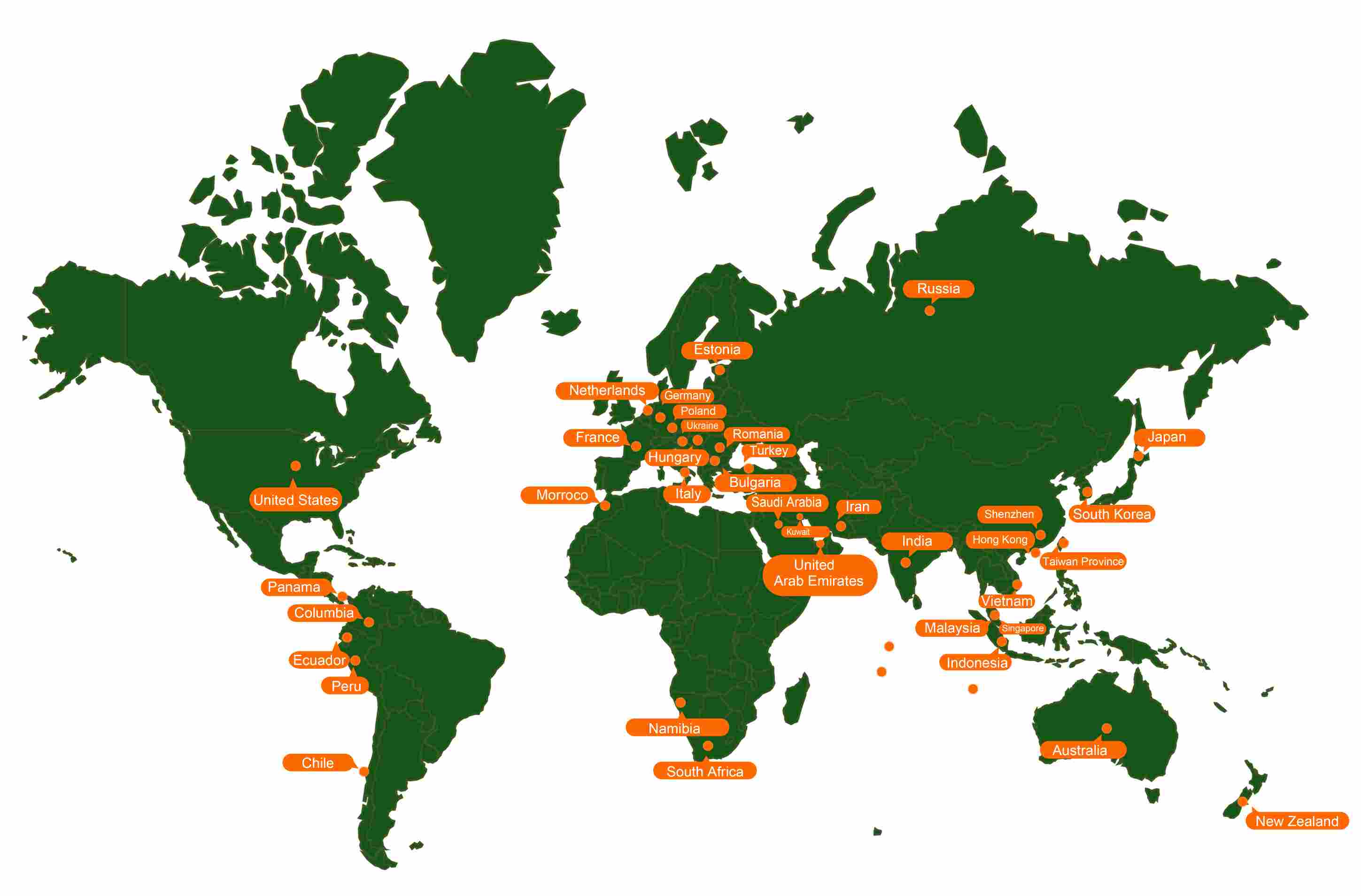
Kami berpangkalan di Anhui, China, bermula dari tahun 2011, menjual ke Asia Tenggara, Amerika Utara, Eropah Timur, Asia Selatan.
Bolehkah anda menyesuaikan kuasa atau voltan yang dinilai?
Ya, menyesuaikan produk boleh diterima.
Bolehkah syarikat anda menyediakan keseluruhan sistem (sel bahan api, pengeluaran Hidrogen, penyimpanan hidrogen, sistem bekalan hidrogen)?
Ya, kami boleh menyediakan aksesori yang diperlukan dengan sewajarnya.
Mengapa anda perlu membeli daripada kami dan bukan daripada pembekal lain?
Kami mempunyai pasukan penyelidikan dan pembangunan teknikal profesional yang berpengalaman. Keupayaan pemadanan sistem kawalan/R&D dan keupayaan kawalan kualiti. Kelebihan harga dibawa oleh keupayaan integrasi rantaian bekalan.


 IPv6 RANGKAIAN DISOKONG