Melayu
 English
 français
 Deutsch
 italiano
 русский
 español
 português
 العربية
 Nederlands
 한국의
한국의 Romania
 Bulgaria

Dalam fabrikasi pemasangan elektrod membran (MEA) untuk sel bahan api hidrogen, kualiti buburan pemangkin memainkan peranan penting dalam MEAprestasi. Ramai jurutera telah mengalami pengalaman pahit mempunyai parameter bahan yang sempurna pada helaian formulasi, tetapi buburan yang disediakan kerap menunjukkan aglomerasi dan kestabilan yang lemah yang akhirnya membawa kepada kuasa output bateri yang tidak mencukupi dan penurunan hayat bateri yang mendadak.
Masalahnya selalunya bukan terletak pada formulasi kimia, tetapi pada "proses penyebaran" fizikal. Bubur pemangkin ialah sistem koloid berbilang fasa kompleks yang mengandungi pemangkin nano-Pt/C, ionomer dan campuran alkohol-air. Logik teras penyebaran bukanlah proses satu langkah, tetapi sebaliknya mengikuti strategi dua langkah yang ketat iaitu "pra-penyebaran (pemprosesan kasar) + penyebaran akhir (pengisaran halus)." Artikel ini akan menguraikan lima proses teras—ultrasound, ricih berkelajuan tinggi, pengilangan bebola, homogenisasi tekanan tinggi dan pengilangan pasir—untuk membantu anda mencari kunci untuk membuka kunci elektrod membran berprestasi tinggi.
Kaedah penyebaran buburan pemangkin boleh dibahagikan kepada pra-penyebaran dan penyebaran akhir. Kedua-duanya mesti dipadankan dengan betul untuk memastikan prestasi elektrod membran.
Pra-penyebaran yang tidak mencukupi: Ini bersamaan dengan terdapatnya ketulan simen yang besar dan tidak larut dalam konkrit, yang bukan sahaja menyumbat paip penghantaran tetapi juga menjadikan pencampuran berikutnya (penyebaran akhir) kurang berkesan.
Penyebaran akhir yang tidak lengkap: Tidak kira betapa baiknya pra-penyebaran dilakukan, jika "aglomerasi keras" (ikatan kimia) antara zarah tidak dapat diputuskan, tapak aktif akan dienkapsulasi secara kekal, mengakibatkan pengaliran elektron dan proton terhalang.
Secara ringkasnya, pra-penyebaran bertanggungjawab untuk "memecahkan rumpun dengan cepat dan membasahkan pada mulanya," manakala penyebaran akhir bertanggungjawab untuk "deagglomerasi halus dan penstabilan seragam." Hanya melalui usaha gabungan mereka, rangkaian pengangkutan gas-cecair-elektron-proton yang cekap dapat diwujudkan.
Sasaran rawatan: "agregat lembut" yang dibentuk oleh daya lemah.
(1) Penyebaran ultrasonik - kecekapan dan kelajuan tinggi
Prinsip: "Kesan peronggaan" ultrasound 20-40kHz digunakan untuk menghasilkan gelombang kejutan suhu tinggi dan tekanan tinggi tempatan, yang serta-merta memecahkan aglomerat lembut dan serentak mencapai pembasahan awal serbuk pemangkin dan pelarut.
Kelebihan: Kecekapan yang sangat tinggi, peralatan mudah, sesuai untuk penyelidikan dan pembangunan kelompok kecil, dan pada mulanya boleh membuka rantai ionomer.
Kelemahan: Ia tidak dapat memecahkan aglomerat keras; keberkesanannya berkurangan apabila memproses buburan berkelikatan tinggi; operasi yang berpanjangan boleh menyebabkan penyejatan pelarut dan perubahan dalam nisbah formulasi.
Kedudukan: Diutamakan untuk pra-penyebaran dalam penyelidikan dan pembangunan makmal dan peringkat ujian skala rintis.
(2) Penyebaran ricih berkelajuan tinggi - pengeluaran berskala besar
Prinsip: Putaran berkelajuan tinggi struktur rotor-stator menghasilkan daya ricih dan pergolakan yang kuat, yang dengan cepat memecahkan aglomerat lembut dan serentak mencapai pembasahan dan pencampuran serbuk pemangkin dan pelarut yang menyeluruh.
Kelebihan: Kelajuan pemprosesan yang pantas, kecekapan tinggi, sesuai untuk pengeluaran berterusan berskala besar, kawalan suhu yang baik, tidak mudah rosak bahan, dan boleh disesuaikan dengan keperluan pra-penyebaran pelbagai kelikatan.
Kelemahan: Taburan daya ricih yang tidak sekata sedikit sebanyak mengurangkan kesan pra-penyebaran pada buburan kelikatan tinggi.
Penentuan kedudukan: Proses teras untuk pengeluaran besar-besaran perindustrian dan pra-penyebaran berskala rintis.
Sasaran rawatan: "agregat keras" yang dibentuk oleh daya kuat seperti ikatan kimia.
(1) Penyebaran penggilingan bebola - prestasi kos tinggi
Prinsip: Melalui perlanggaran putaran media seperti manik zirkonia, ricih dan penyemperitan yang lembut dan berterusan dikenakan pada buburan, secara beransur-ansur memisahkan aglomerat keras.
Kelebihan: Kesan penyahpolimeran yang stabil, mesra rantai ionomer, kebolehgunaan yang sangat luas (daripada kelikatan rendah hingga kelikatan tinggi), dan parameter proses yang matang dan mudah dikawal.
Kelemahan: Kecekapan yang agak rendah (biasanya beberapa jam); sisa buburan yang ketara semasa pengeluaran kelompok (enkapsulasi media); dan kawalan suhu yang secara amnya lemah.
Penentuan Kedudukan: Proses penyebaran akhir yang paling versatil daripada R&D hingga pengeluaran besar-besaran.
(2) Penyebaran homogen tekanan tinggi—prestasi tinggi yang tinggi
Prinsip: Bubur ditekan pada kelajuan tinggi 200-300 m/s dan diinjak, dan aglomerat keras dinyahgumpalkan secara ganas melalui ricih, peronggaan dan kesan impak untuk mencapai penyebaran seragam pada skala nano.
Kelebihan: Ketepatan penyebaran yang sangat tinggi (sehingga di bawah 100nm), keseragaman pengedaran >95% dan kebolehulangan kelompok yang sangat baik.
Kelemahan: Peralatan mahal dan kos penyelenggaraan yang tinggi; keperluan pra-penyebaran yang sangat tinggi (jika tidak, ia mudah tersumbat); ambang operasi yang tinggi.
Penentuan Kedudukan: Senario pengeluaran besar-besaran berskala kecil yang mengejar prestasi terbaik (seperti susunan sel bahan api mewah untuk automobil).
(3) Penyebaran pengisaran pasir - kecekapan tinggi dan berterusan
Prinsip: Sebagai versi kilang bebola yang dinaik taraf, ia menggunakan cakera penyebaran berputar berkelajuan tinggi untuk memacu media pengisaran bagi melakukan perlanggaran frekuensi tinggi dan intensiti tinggi.
Kelebihan: Kecekapan yang sangat tinggi (50%-80% lebih pantas daripada pengilangan bebola), membolehkan pengeluaran nano berterusan, pencemaran bendasing yang sangat rendah (media berketulenan tinggi) dan konsistensi kelompok yang baik.
Kelemahan: Kos peralatan lebih tinggi daripada kilang bola, ia mempunyai keperluan yang tinggi untuk media pengisaran, dan parameter perlu dikawal dengan tepat.
Penentuan Kedudukan: Pilihan utama untuk pengeluaran besar-besaran berskala besar, terutamanya untuk senario permintaan berprestasi tinggi.
Untuk mencapai keseimbangan antara kualiti, kos dan kecekapan, pra-penyebaran dan penyebaran akhir memerlukan peruntukan rasional bagi kedalaman dan kaedah setiap proses berdasarkan keperluan teras bagi peringkat R&D dan pengeluaran yang berbeza. Berikut ialah strategi pemadanan proses untuk tiga senario biasa:
(1) Penyelidikan dan pembangunan makmal (kelompok kecil, kecekapan tinggi)
Gabungan sempurna: penyebaran ultrasonik (pra-penyebaran) + penyebaran penggilingan bebola (penyebaran akhir)
Sebab: Pemprosesan ultrasonik pantas dan mudah, sesuai untuk memproses sampel antara beberapa mililiter hingga beberapa liter; pengilangan bebola mempunyai kos yang boleh dikawal, boleh memberikan penyebaran akhir yang stabil, dan memudahkan pengesahan kesahihan formulasi.
Petua: Pengisaran ultrasonik menggunakan mod denyut untuk mengelakkan terlalu panas; pengilangan bebola memberi tumpuan kepada pengoptimuman diameter dan masa manik.
(2) Pengeluaran rintis/pengeluaran besar-besaran berskala kecil (saiz kelompok sederhana, keseragaman, mudah untuk dipertingkatkan)
Pilihan A (kesepakatan kos): Pengisaran berkelajuan tinggi (pra-penyebaran) + pengilangan bebola (penyebaran akhir)
Pilihan B (Prestasi Tinggi): Ricihan berkelajuan tinggi (pra-penyebaran) + homogenisasi tekanan tinggi (penyebaran akhir)
Sebab: Pengguntingan berkelajuan tinggi menyelesaikan masalah penyuapan berterusan. Untuk peningkatan skala yang stabil, pilih pengilangan bebola; untuk prestasi terbaik dan taburan saiz zarah yang sempit, pilih homogenisasi tekanan tinggi.
(3) Pengeluaran besar-besaran (kelompok besar, mencari kestabilan)
Pilihan A (Aplikasi mewah, seperti automotif): Ricihan berkelajuan tinggi (pra-penyebaran) + pengilangan (penyebaran akhir)
Pilihan B (Pertengahan hingga rendah/Sensitif kos): Pengisaran berkelajuan tinggi (pra-penyebaran) + pengilangan bebola (penyebaran akhir)
Sebab: Kapasiti pengeluaran berterusan dan ketepatan tahap nanometer bagi pengilangan bebola memastikan keperluan sel bahan api automotif yang ketat dipenuhi. Walaupun dengan margin prestasi yang besar, barisan pengeluaran kilang bebola yang dioptimumkan masih mengekalkan daya saing kos yang kukuh.
Pengoptimuman parameter proses penyebaran memerlukan integrasi yang mendalam dengan sistem formulasi khusus. Parameter utama seperti kuasa ultrasonik, kelajuan ricih, masa penggilingan bebola dan tekanan homogenisasi dipadankan secara sistematik berdasarkan jenis pemangkin, nisbah I/C dan nisbah pelarut. Hubungan tindak balas "parameter-prestasi" diwujudkan melalui ujian taburan saiz zarah, sekali gus mengenal pasti proses optimum dan memaksimumkan prestasi buburan—laluan teras untuk mencapai matlamat ini.
Soalan Lazim:
1. Siapakah kita?
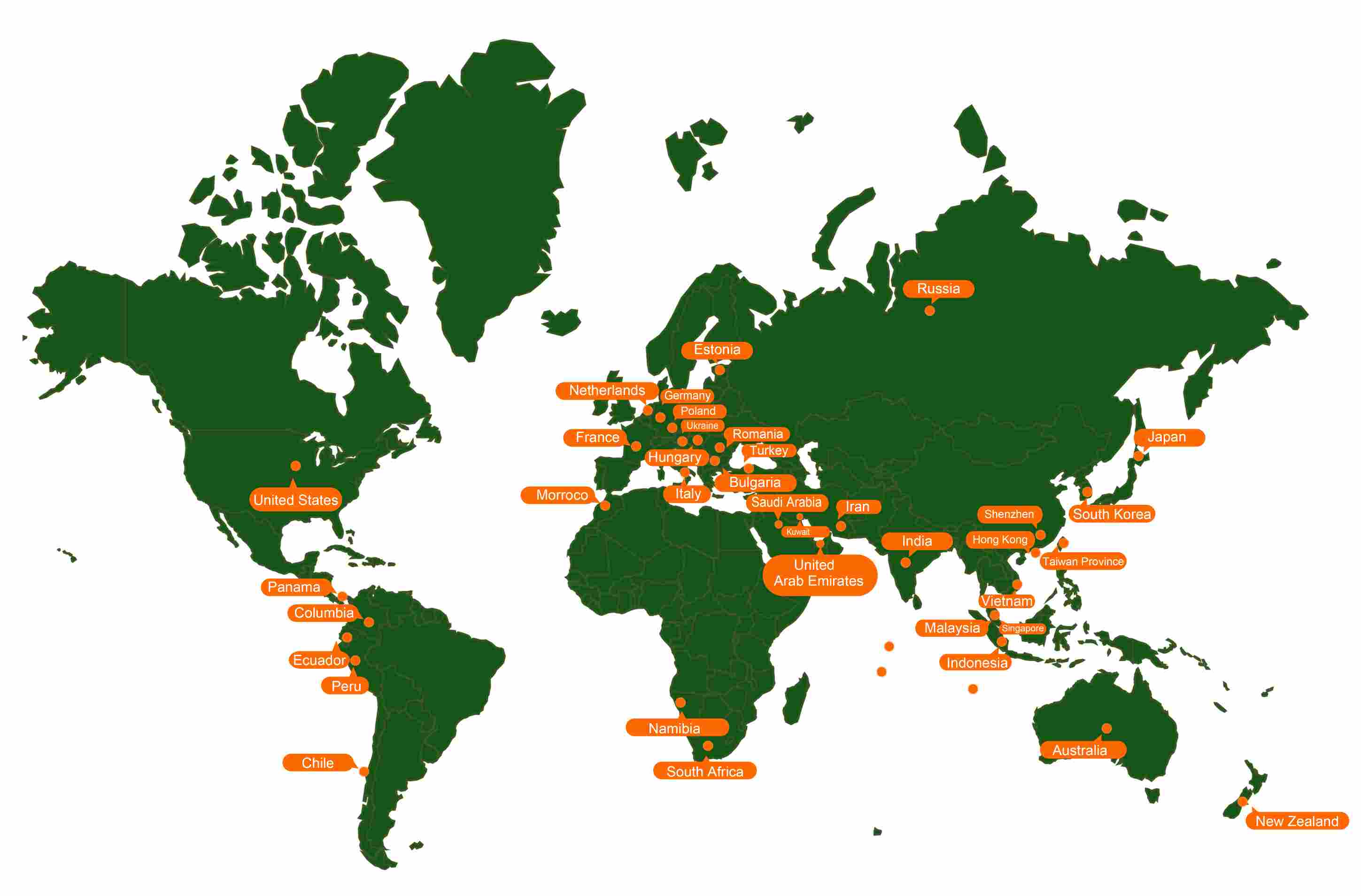
Kami berpangkalan di Anhui, China, bermula dari tahun 2011, menjual ke Asia Tenggara, Amerika Utara, Eropah Timur, Asia Selatan.
2. Bolehkah anda menyesuaikan kuasa atau voltan yang dinilai?
Ya, menyesuaikan produk boleh diterima.
3. Mengapa anda perlu membeli daripada kami dan bukan daripada pembekal lain?
Kami mempunyai pasukan penyelidikan dan pembangunan teknikal profesional yang berpengalaman. Keupayaan pemadanan sistem kawalan/R&D dan keupayaan kawalan kualiti. Kelebihan harga dibawa oleh keupayaan integrasi rantaian bekalan.



 IPv6 RANGKAIAN DISOKONG