Melayu
 English
 français
 Deutsch
 italiano
 русский
 español
 português
 العربية
 Nederlands
 한국의
한국의 Romania
 Bulgaria

Prinsip Teras Elektrodialisis
Teras teknologi elektrodialisis terletak pada gabungan medan elektrik dan teknologi membran terpilih, dengan prinsip khusus dibahagikan kepada dua bahagian:
1. Kesan pemacu medan elektrik DC
Di bawah tindakan medan elektrik DC, anion dan kation dalam larutan bergerak secara berarah: kation berhijrah ke arah elektrod negatif, manakala anion berhijrah ke arah elektrod positif.
2. Kesan penapisan terpilih membran pertukaran ion
Dua jenis membran pertukaran ion digunakan dalam sistem untuk mencapai pemisahan ion:
Membran pertukaran kation: Hanya membenarkan kation (contohnya, Na+, Ca2+, Mg2+) untuk melaluinya, sambil menyekat anion.
Membran pertukaran anion: Hanya membenarkan anion (cth., Cl-, jadi42-) untuk melaluinya, sambil menyekat kation.
Dialisis Difusi
Dialisis Difusi Membran
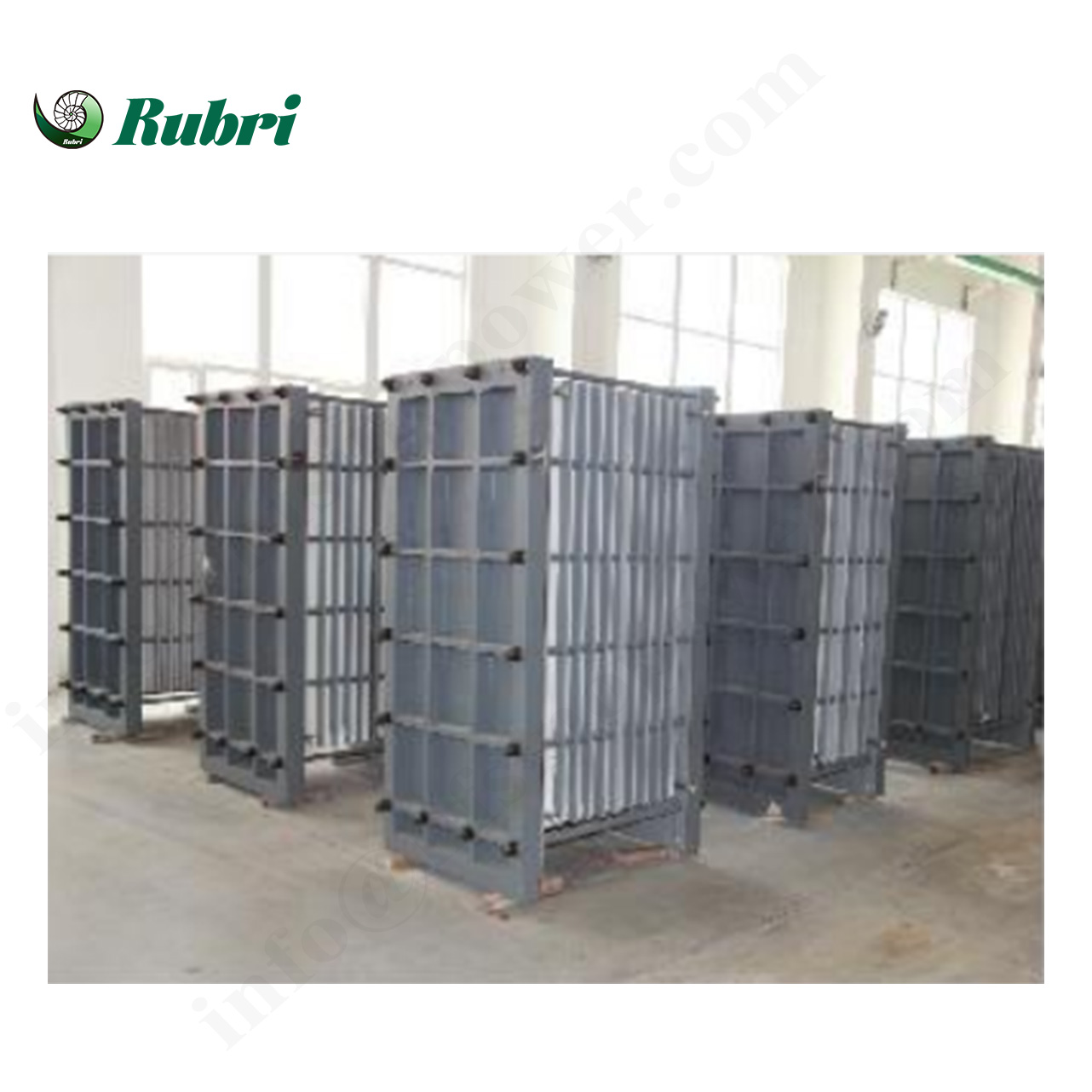
Termasuk membran dialisis resapan pemulihan asid dan membran dialisis resapan pemulihan alkali.
Dialisis Difusi
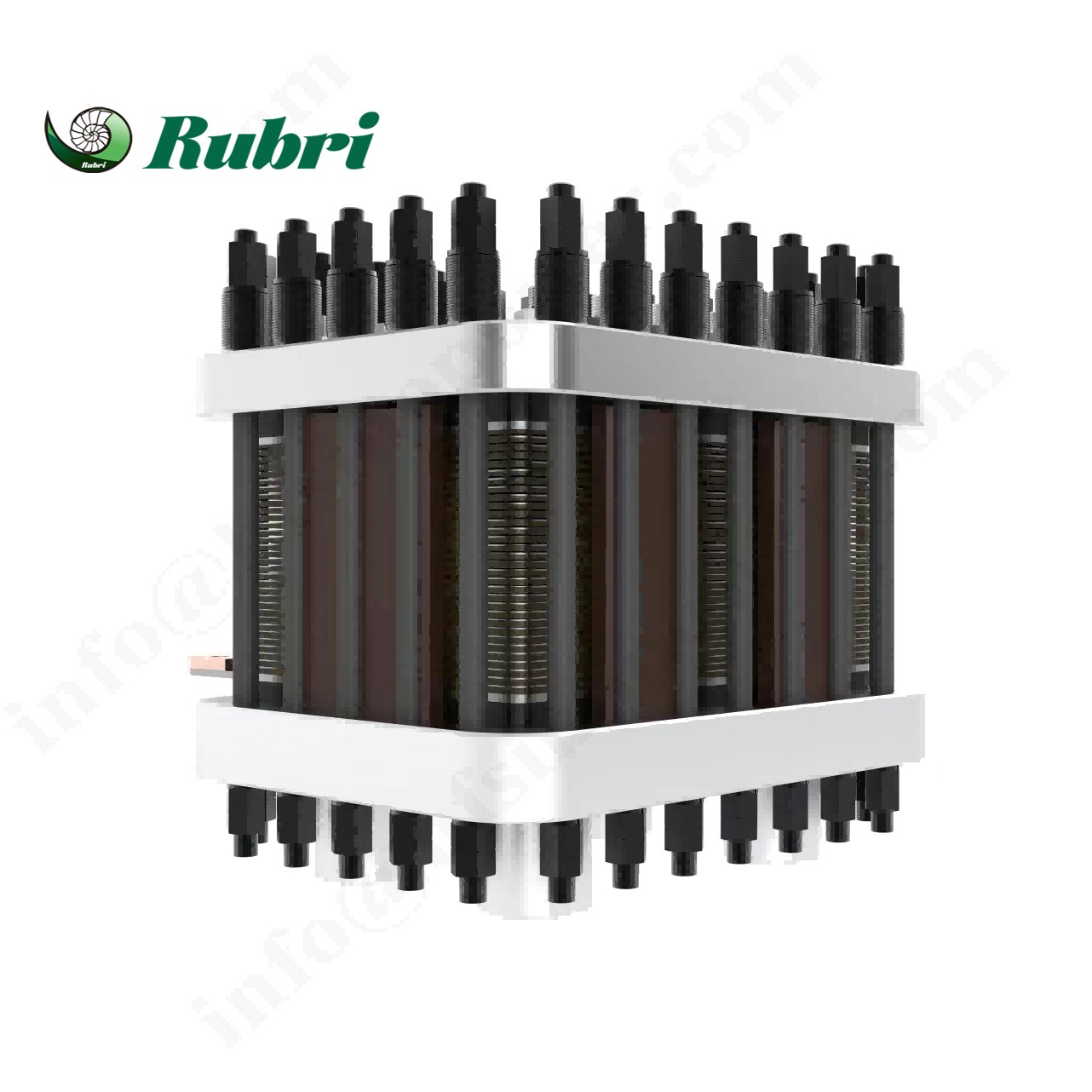
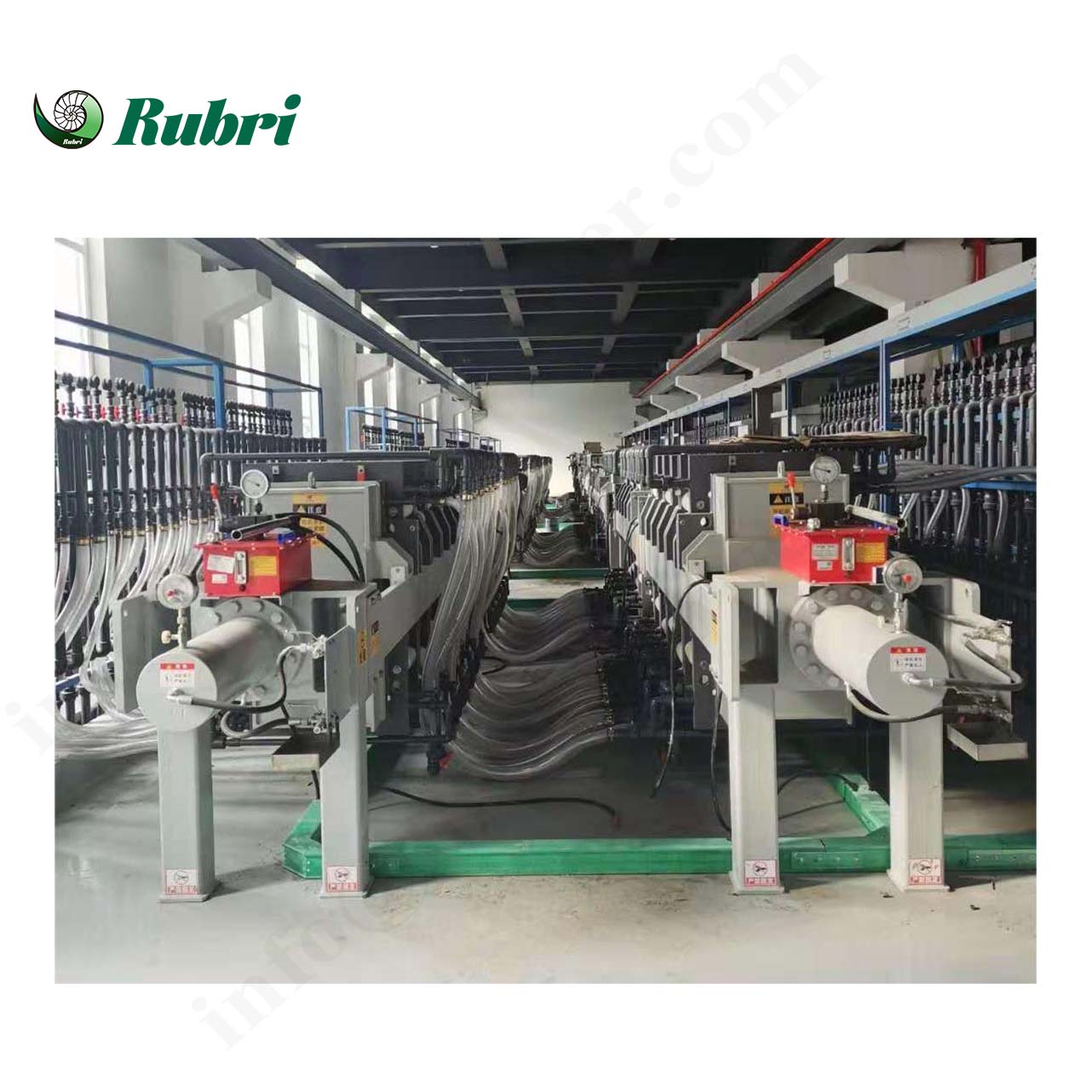
Peralatan untuk memisahkan alkali (asid) dengan menyusun membran dialisis resapan, pemisah ruang dialisis dan pemisah ruang resapan dalam susunan tertentu, meletakkan plat agihan air pada kedua-dua belah pihak dan mengapit dengan plat pengapit.
Prinsip Kerja
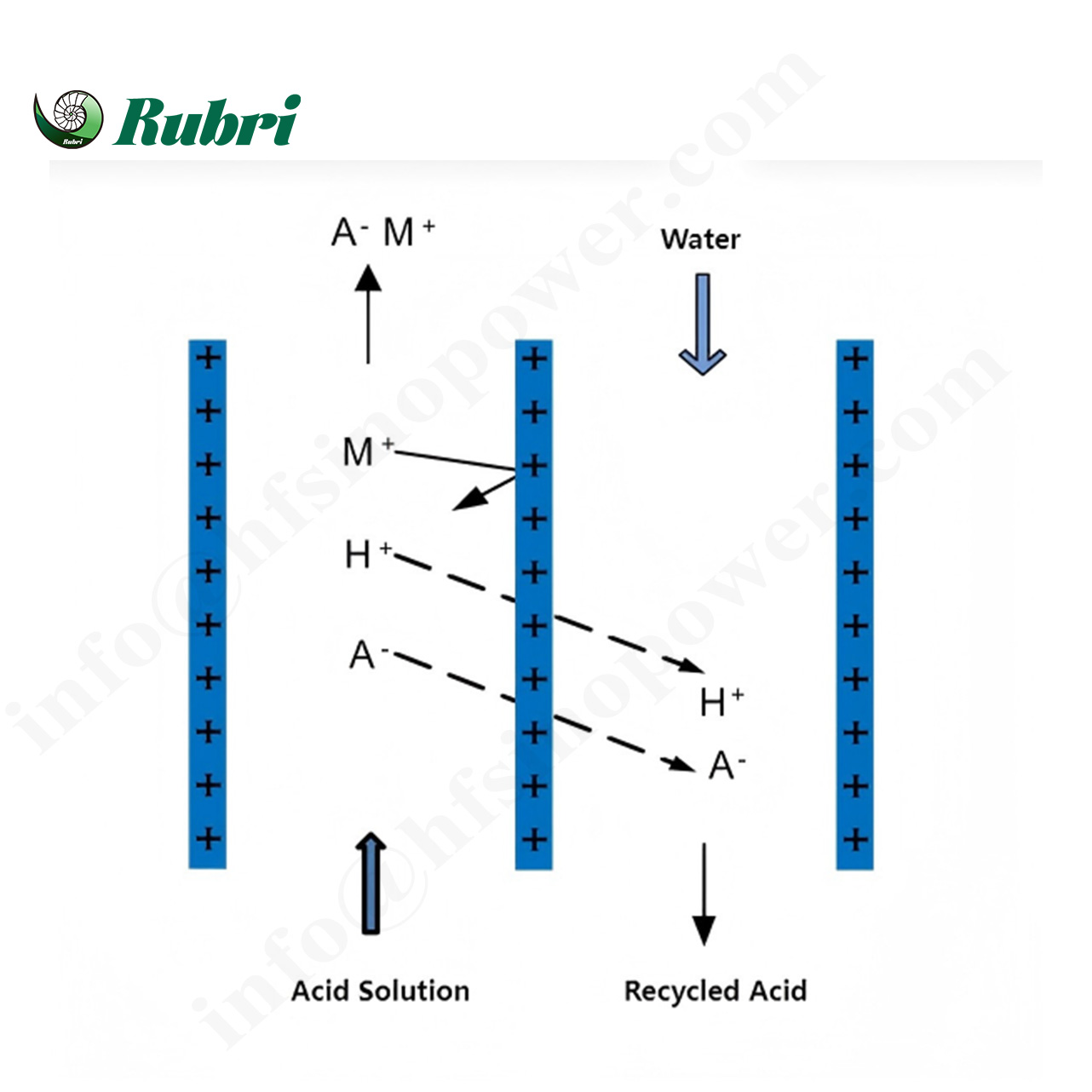
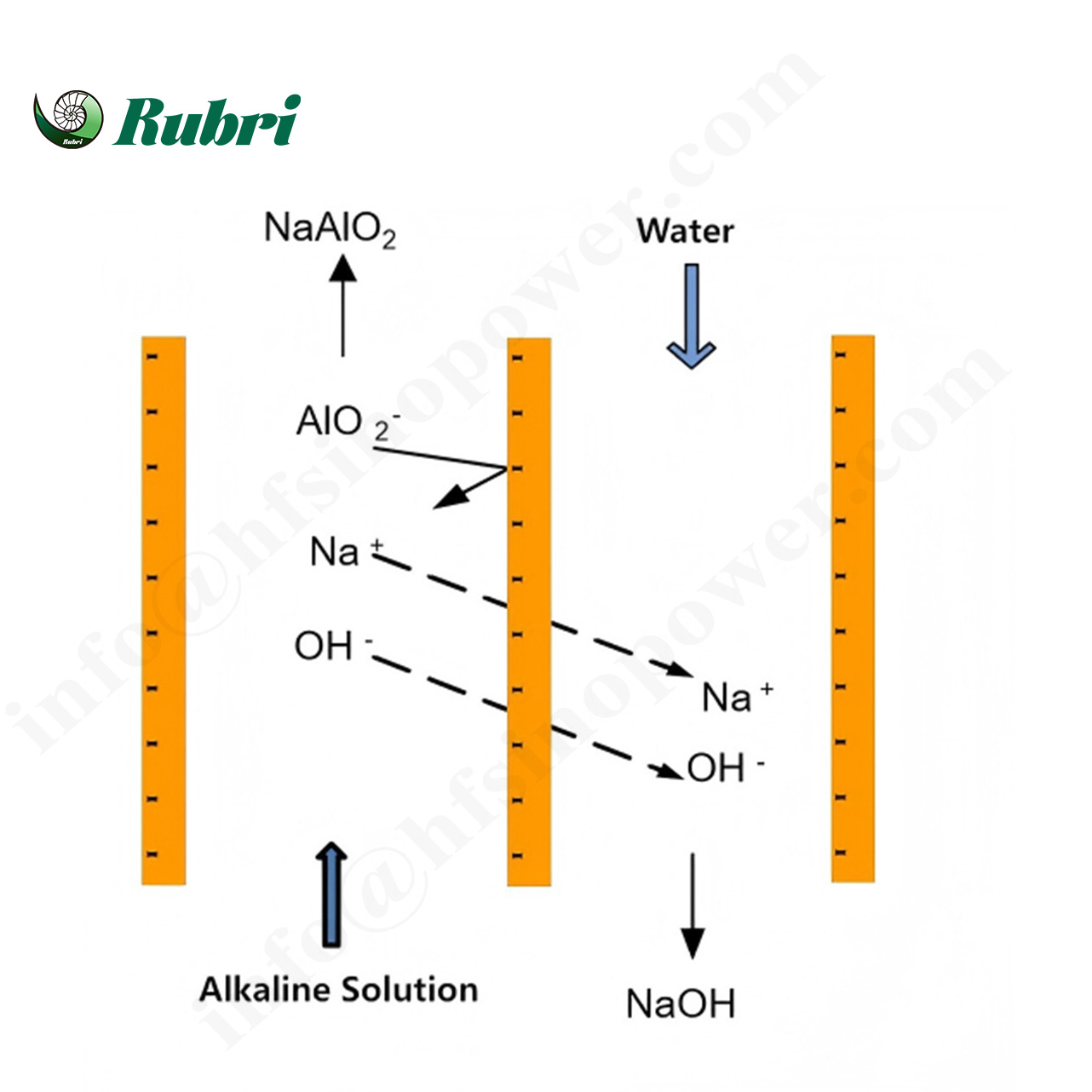
Proses dialisis resapan mengambil perbezaan kepekatan sebagai daya penggerak, dan menggunakan kebolehtelapan terpilih membran pertukaran kation (anion) kepada alkali (asid) dan pengekalan garam atau komponen lain yang tinggi untuk memisahkan alkali (asid) daripada garam atau komponen lain dalam penyelesaianLarutan alkali (asid) yang diasingkan digunakan semula dalam proses pengeluaran.
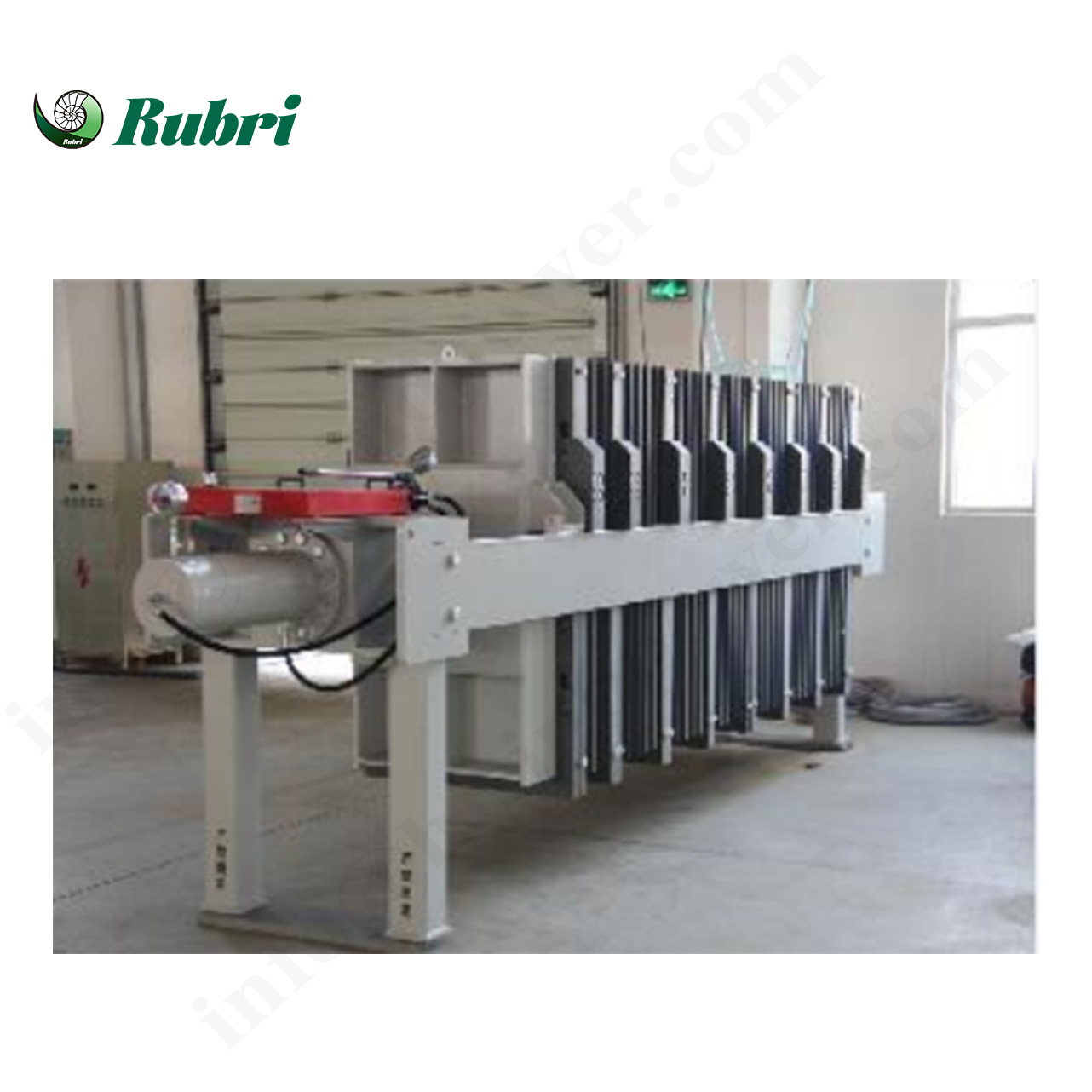
Aplikasi Perindustrian Dialisis Difusi
1. Projek Kitar Semula Asid Sisa Industri Kerajang Aluminium Elektronik
2. Projek Kitar Semula Asid Sisa Industri Grafit
3. Projek Kitar Semula Asid Sisa Industri Hidrometallurgi
4. Projek Kitar Semula Asid Sisa Industri Penjerukan Keluli
5. Projek Kitar Semula Asid Sisa Industri Titanium Dioksida
Elektrodialisis Membran Homogen
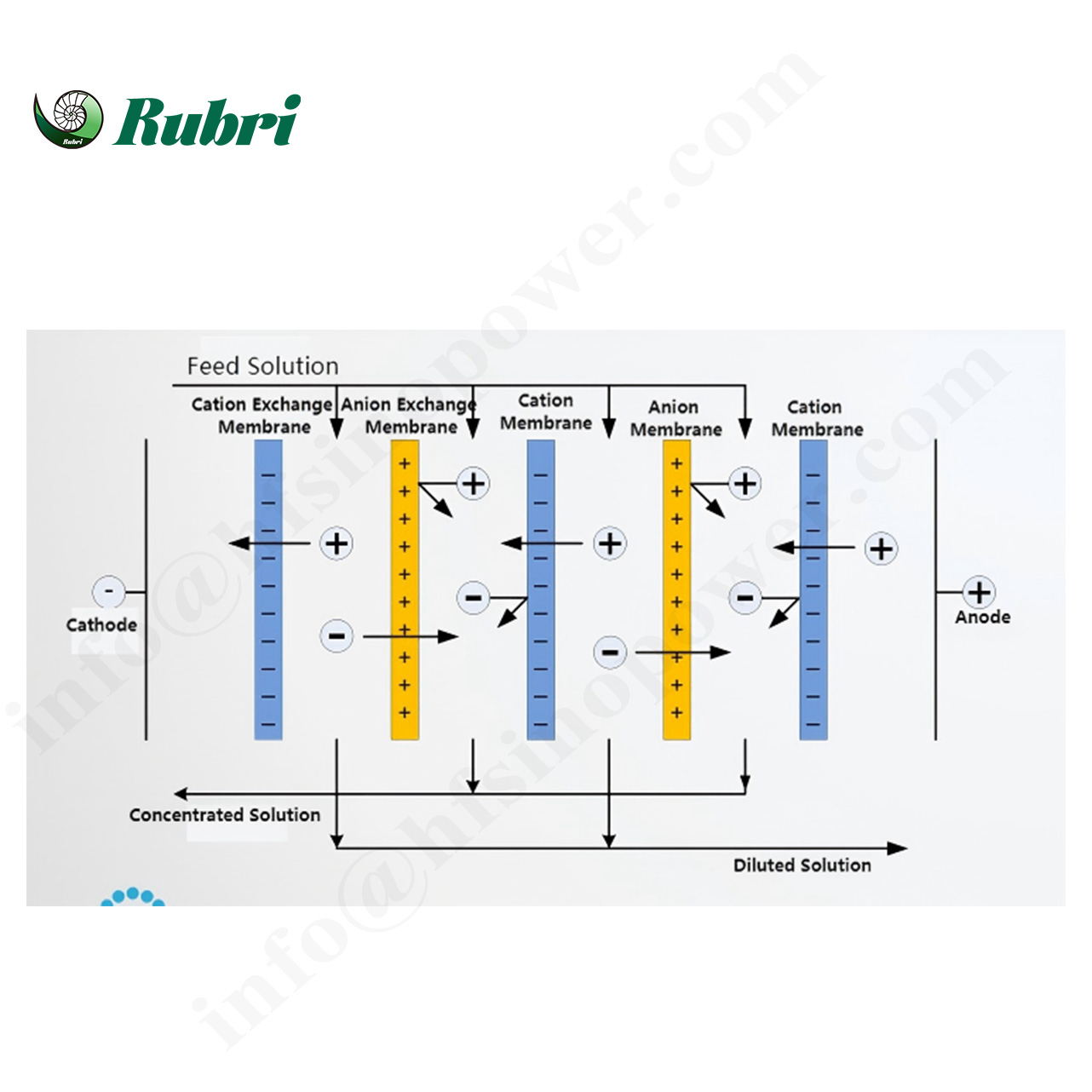
Elektrodialisis Membran Homogen
Termasuk membran penukar anion dan membran penukar kation.
Elektrodialisis
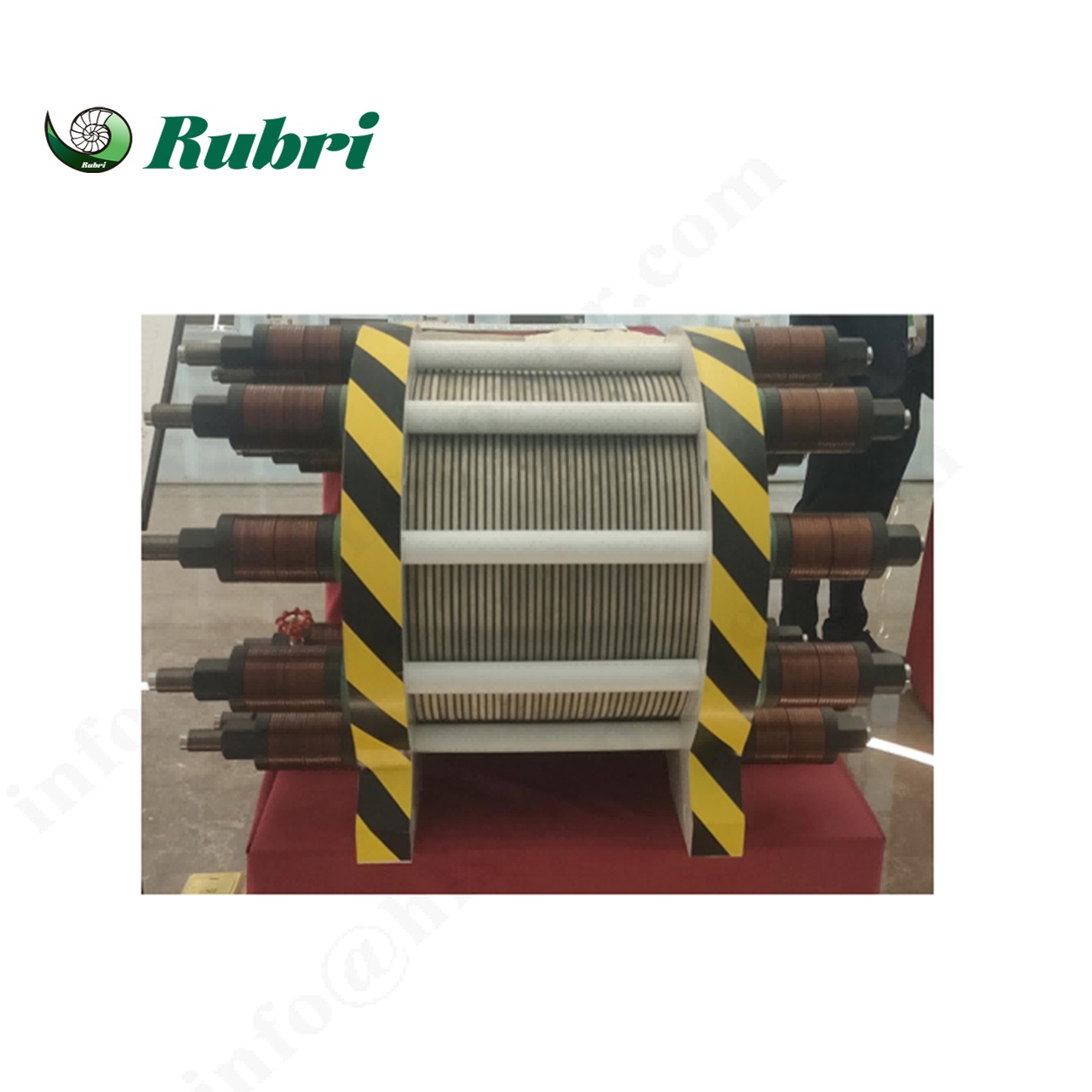
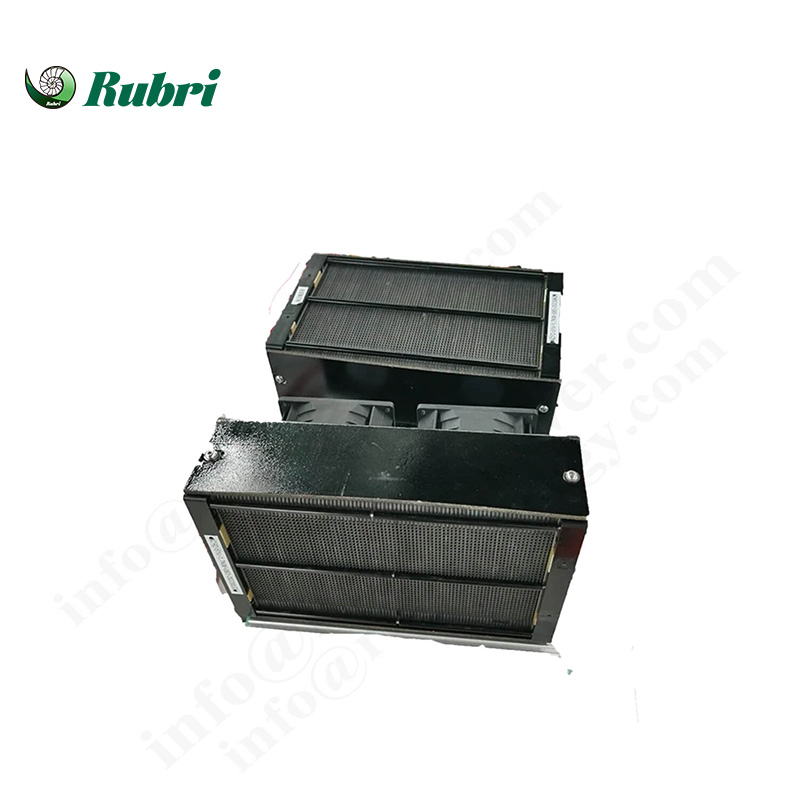
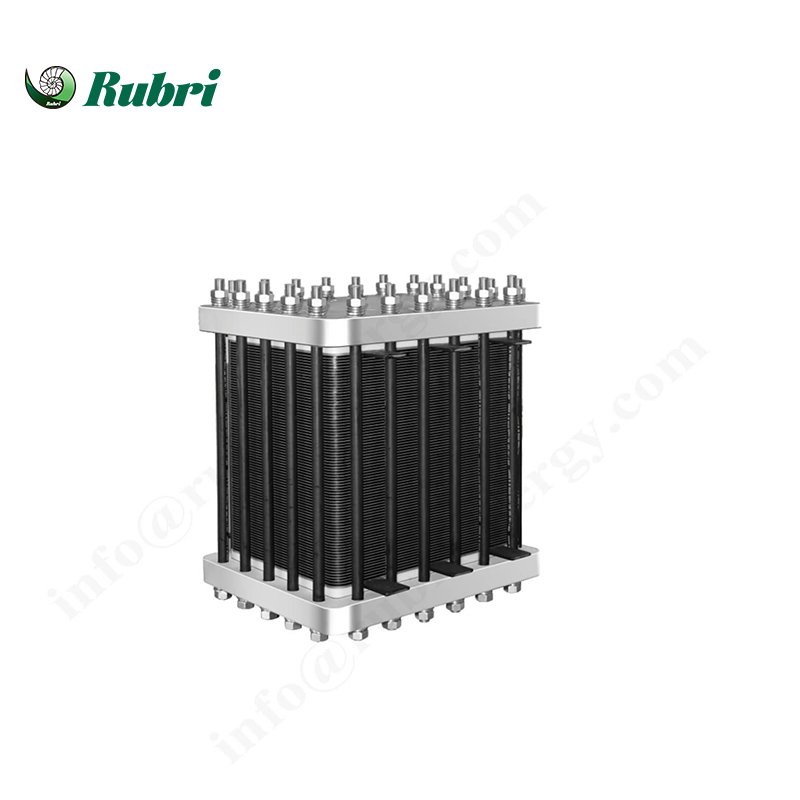
Dipasang oleh membran anion dan membran kation yang berselang-seli, dipisahkan oleh pemisah, dan dilengkapi dengan plat elektrod, plat kutub dan plat hujung.
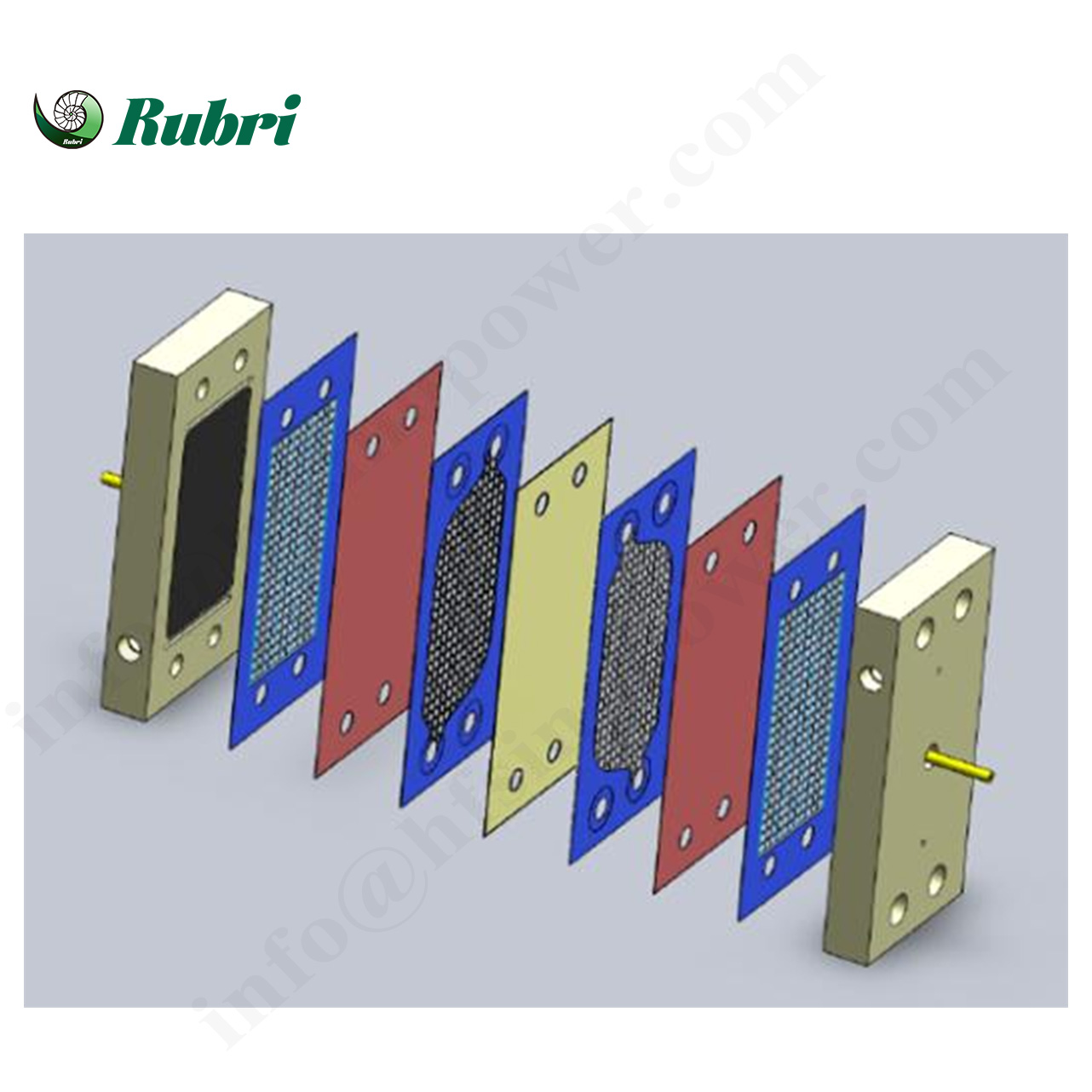
Prinsip Kerja
Migrasi ion berarah di bawah tindakan medan elektrik dan kebolehtelapan terpilih membran pertukaran ion
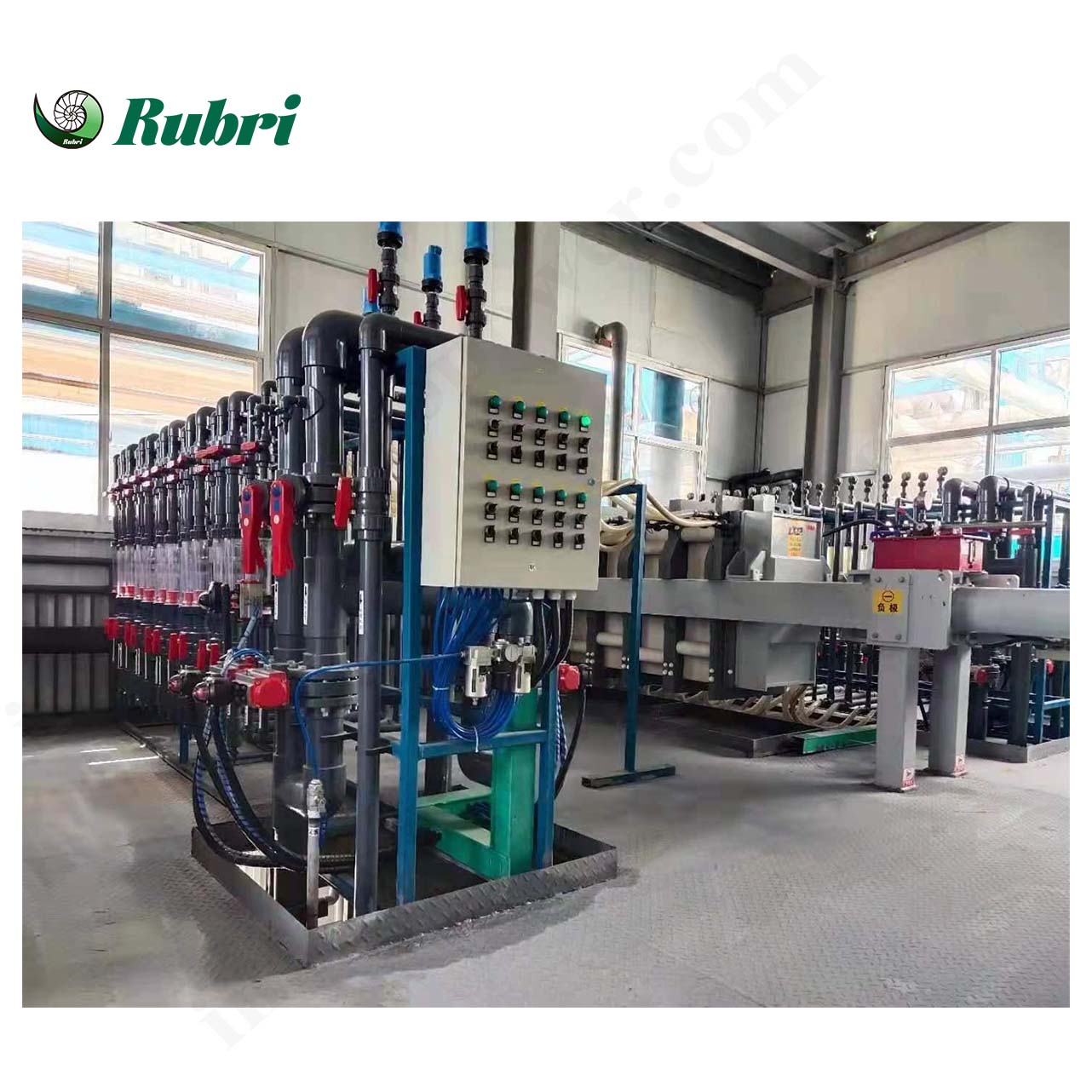
Aplikasi Elektrodialisis Membran Homogen dalam Pengeluaran Perindustrian
1. Rawatan Air Sisa Penyaduran Elektro
2. Kepekatan Air Garam Cair
3. Pengekstrakan Litium daripada Air Garam Tasik
4. Kepekatan Asid
5. Rawatan Air Sisa Berkemasinan Tinggi dan COD Tinggi
6. Pemulihan Alkali daripada Serat Viskosa dan Penyahgaraman Xilosa
7. Rawatan Air Sisa daripada Pengeluaran Produk Nadir Bumi
8. Penyahgaraman Bahan & Penyahgaraman Asid Amino
Elektrodialisis Membran Bipolar
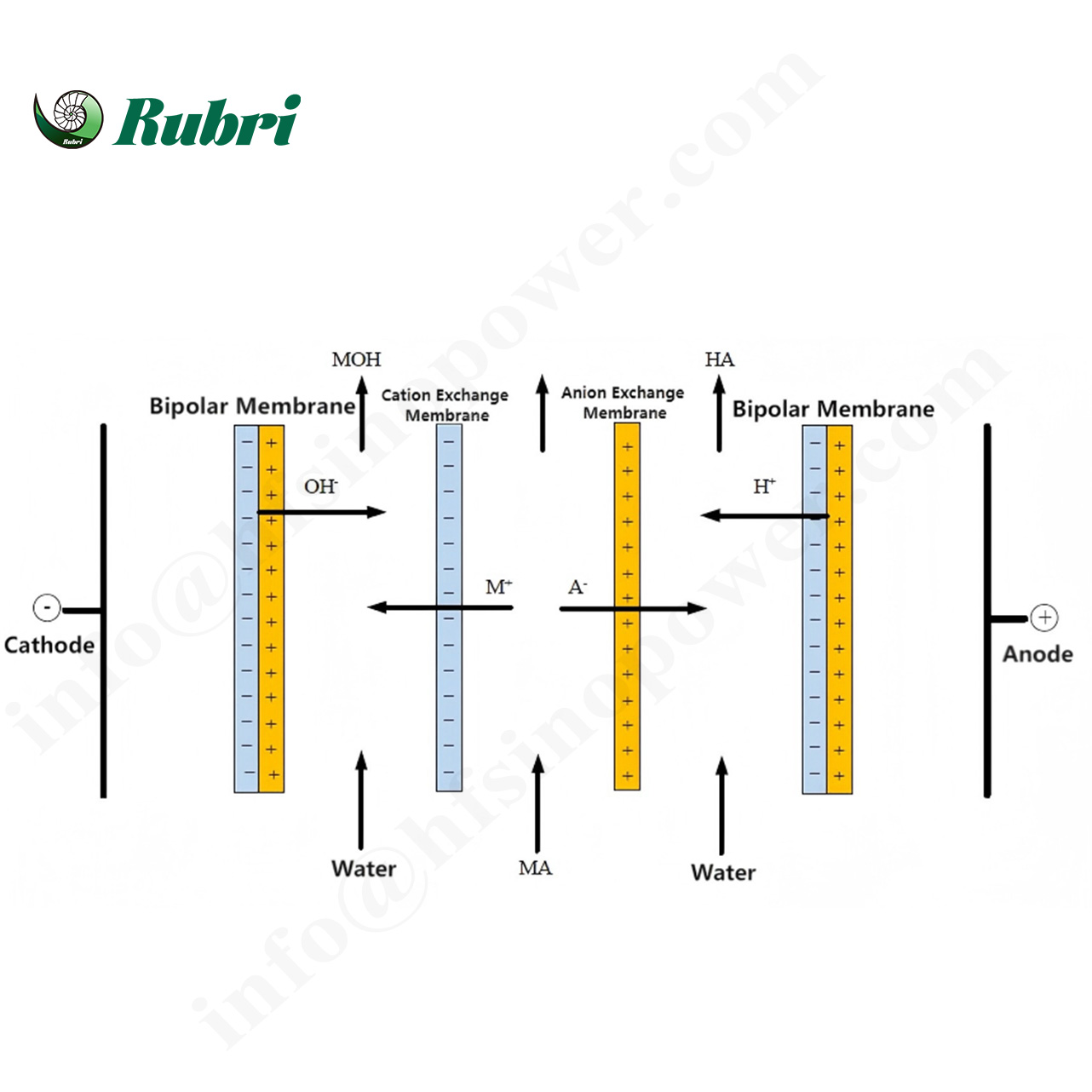
Membran Bipolar
Terdiri daripada komposit lapisan membran anion dan lapisan membran kation, yang boleh melakukan penceraian elektro air atau alkohol di bawah pemacu medan elektrik.
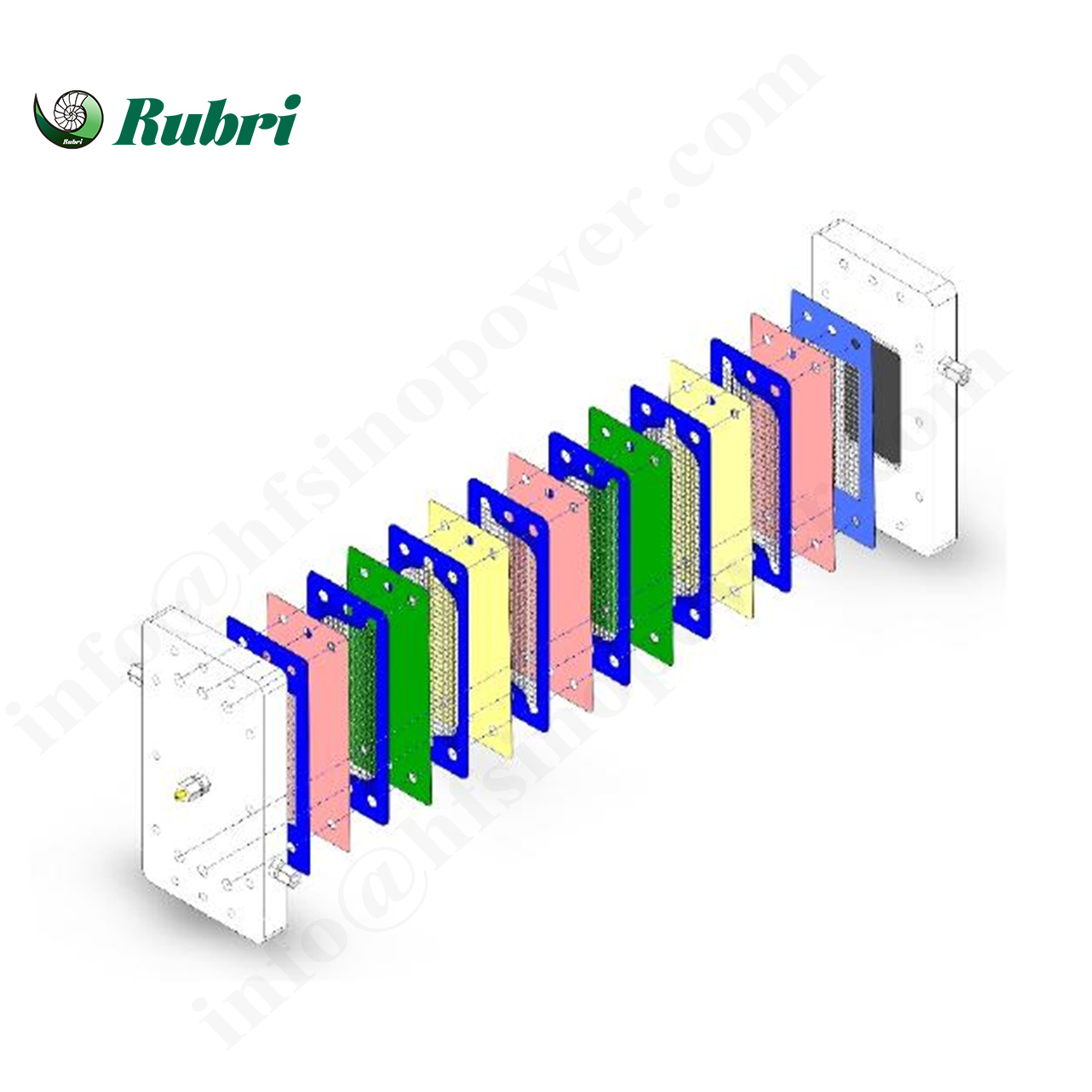
Struktur Peralatan
Dipasang oleh membran bipolar, membran anion dan membran kation yang berselang-seli, dipisahkan oleh pemisah dan dilengkapi dengan plat elektrod, plat kutub dan plat hujung.
Prinsip Kerja
Air dipisahkan menjadi ion H⁺ dan OH⁻, yang masing-masing bergabung dengan anion dan kation yang sepadan untuk membentuk asid dan alkali. Pada masa yang sama, penyahgaraman air sisa dan penyediaan asid/alkali direalisasikan.
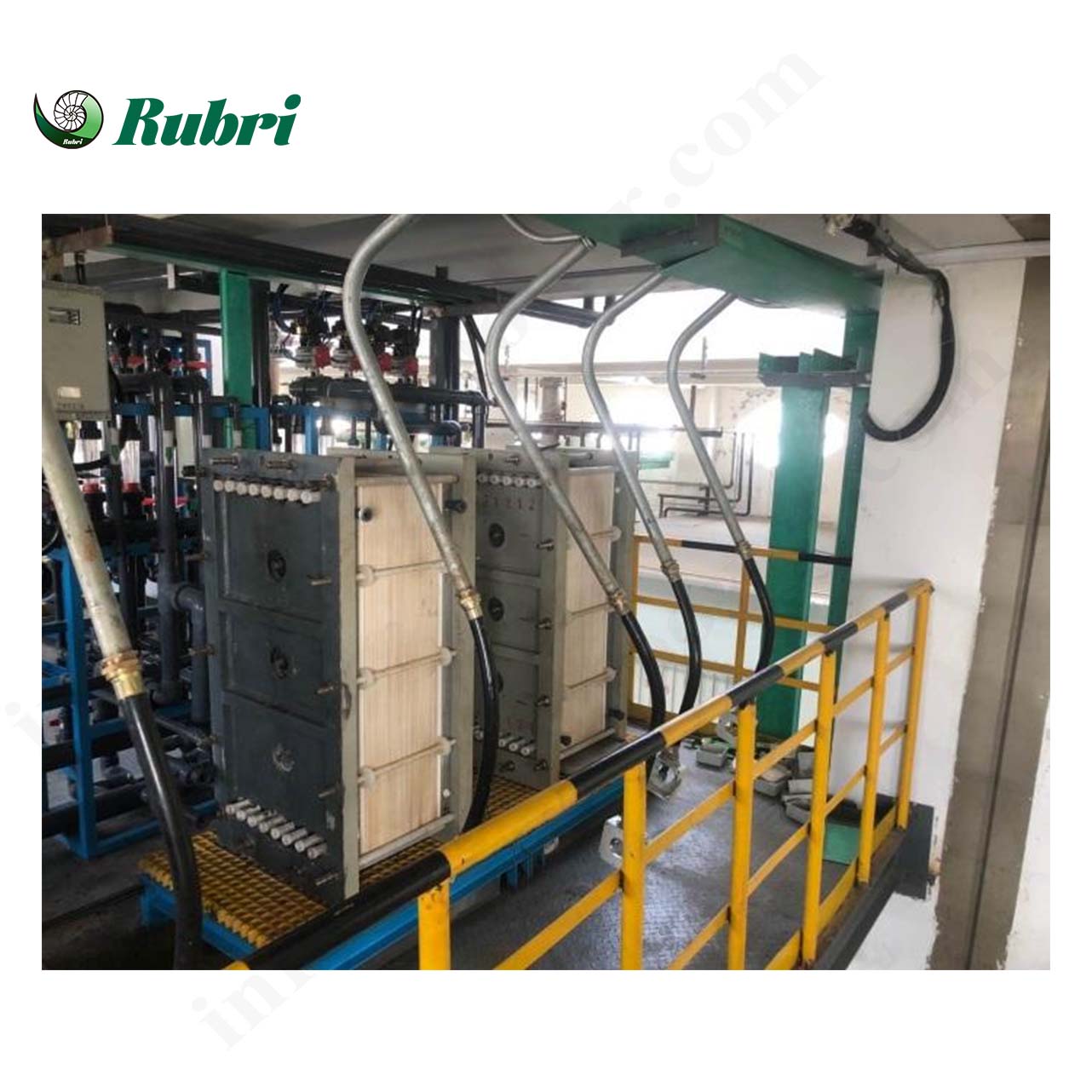
Aplikasi Perindustrian Elektrodialisis Membran Bipolar
1. Elektrodialisis Membran Bipolar untuk Penukaran dan Kepekatan Asid/Alkali Organik
2. Elektrodialisis Membran Bipolar untuk
Penggunaan Sumber Rawatan Air Garam
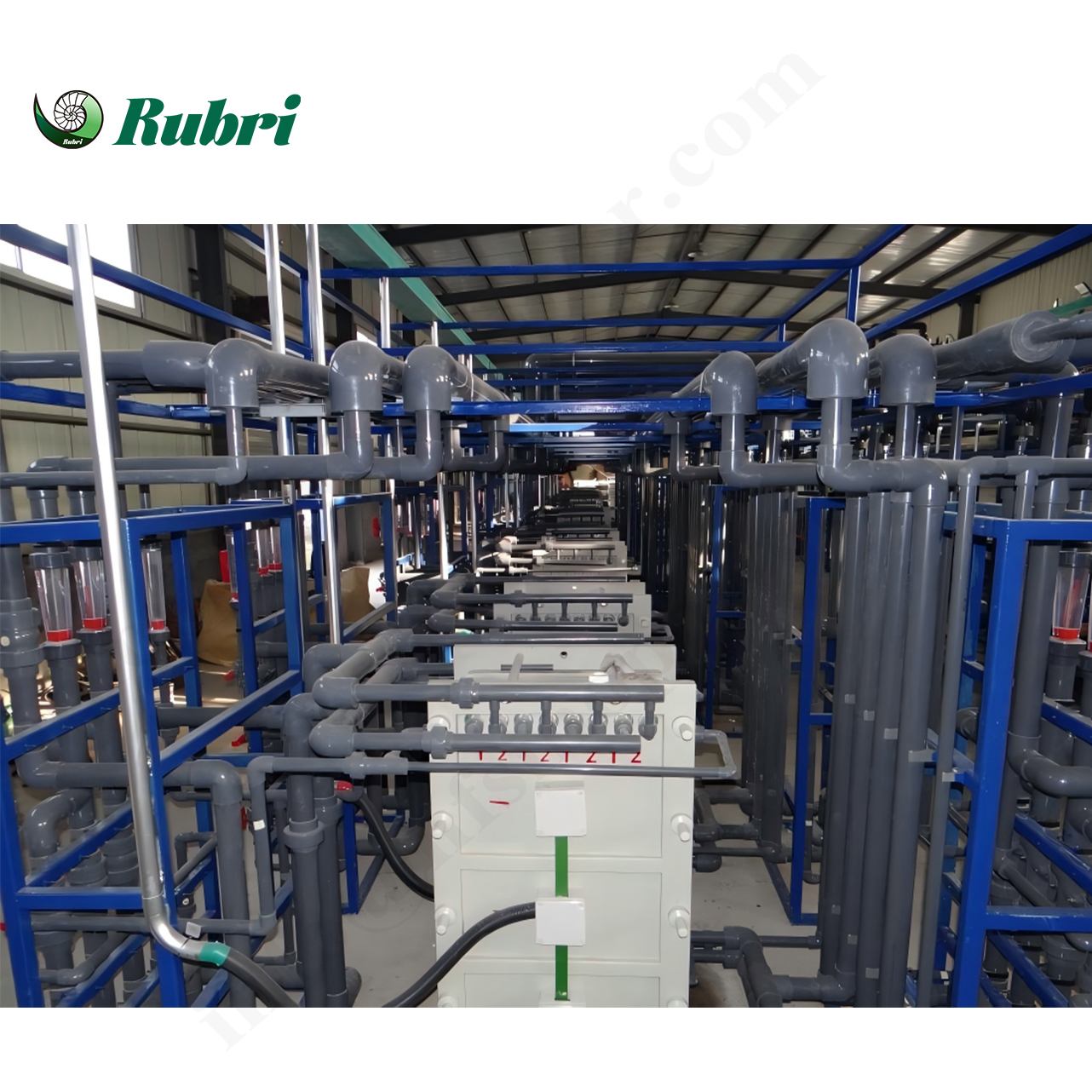
PengenalanElektrodialisis Membran Bipolar (BMED) ialah teknologi pemisahan elektrokimia canggih yang menggunakan susunan membran khusus untuk menukar garam secara langsung kepada asid dan bes yang sepadan. Komponen terasnya ialah membran bipolar (BPM), yang terdiri daripada lapisan pertukaran kation dan lapisan pertukaran anion yang dilaminasi bersama. Di bawah pengaruh medan elektrik arus terus (DC), BPM memangkinkan penceraian molekul air pada persimpangannya, menghasilkan ion H⁺ dan OH⁻. Ion-ion ini berhijrah melalui susunan membran untuk bertindak balas dengan anion dan kation daripada larutan suapan garam, sekali gus menghasilkan produk asid dan bes secara serentak.
BACA LAGI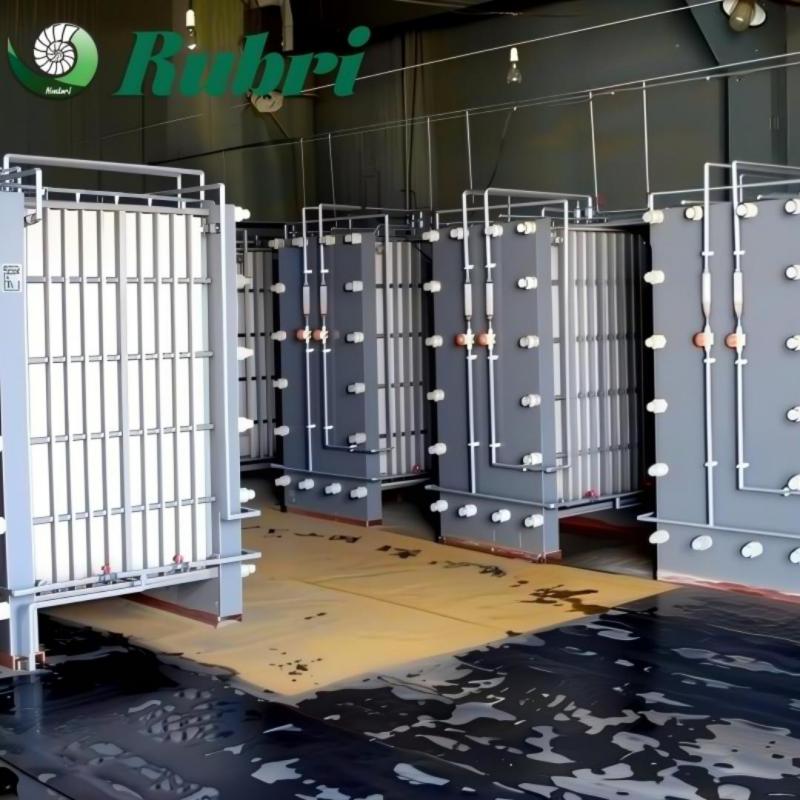
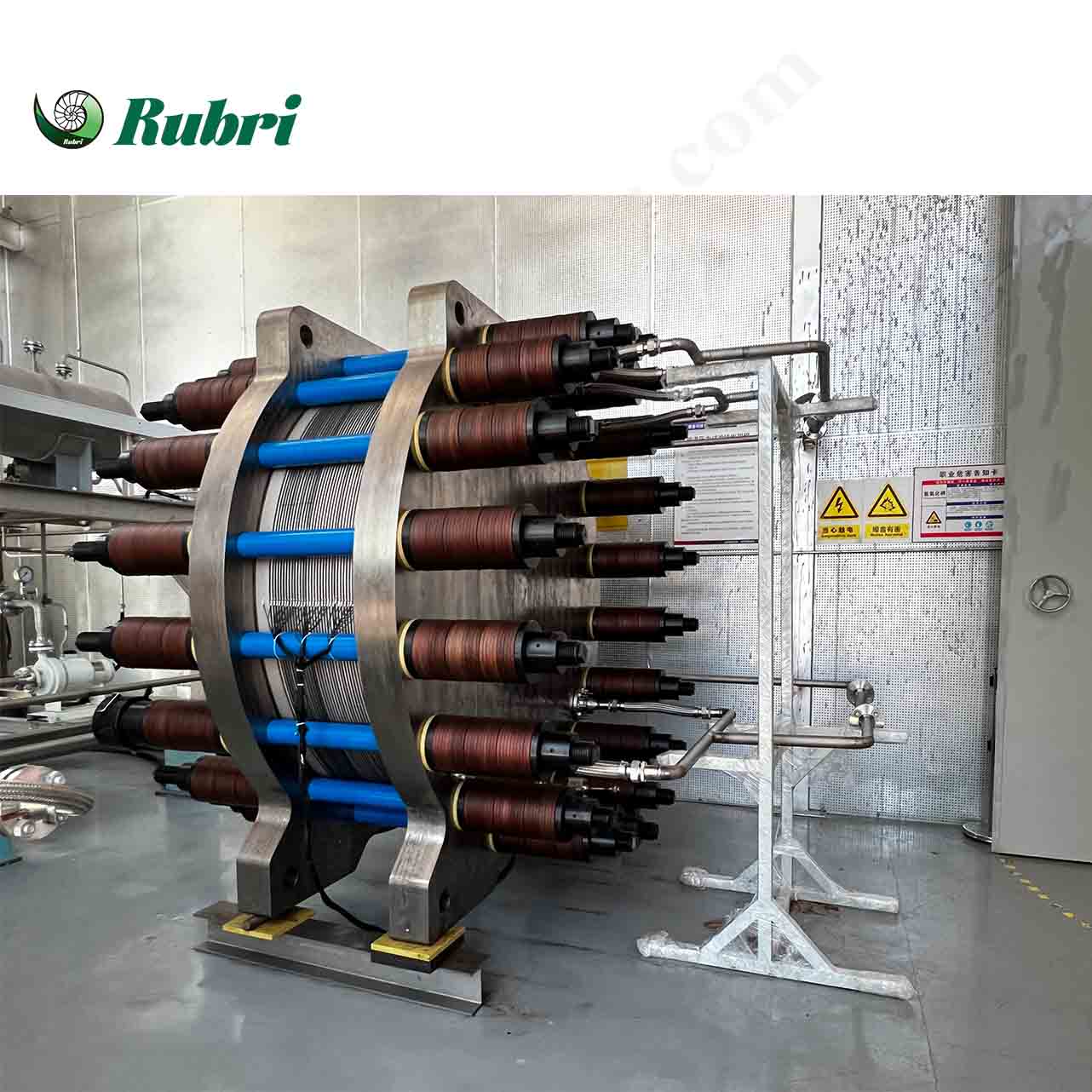
Elektrodialisis ialah peralatan pemisahan ion teras yang menggunakan teknologi elektrodialisis. Dengan menggunakan medan elektrik DC dan memadankan membran pertukaran anion dan kation, ia menyedari penghijrahan dan pemisahan ion dalam cecair secara berarah. Dengan struktur yang mudah dan andal, ia dikelaskan kepada jenis bersepadu berikat skru dan hidraulik untuk skala penggunaan yang berbeza. Digunakan secara meluas dalam penyahgaraman air laut, rawatan air sisa industri, kepekatan makanan, penulenan farmaseutikal dan pemprosesan elektrolit tenaga baharu, ia melengkapkan penyahgaraman larutan, kepekatan dan penyingkiran bendasing ionik dengan cekap.
BACA LAGI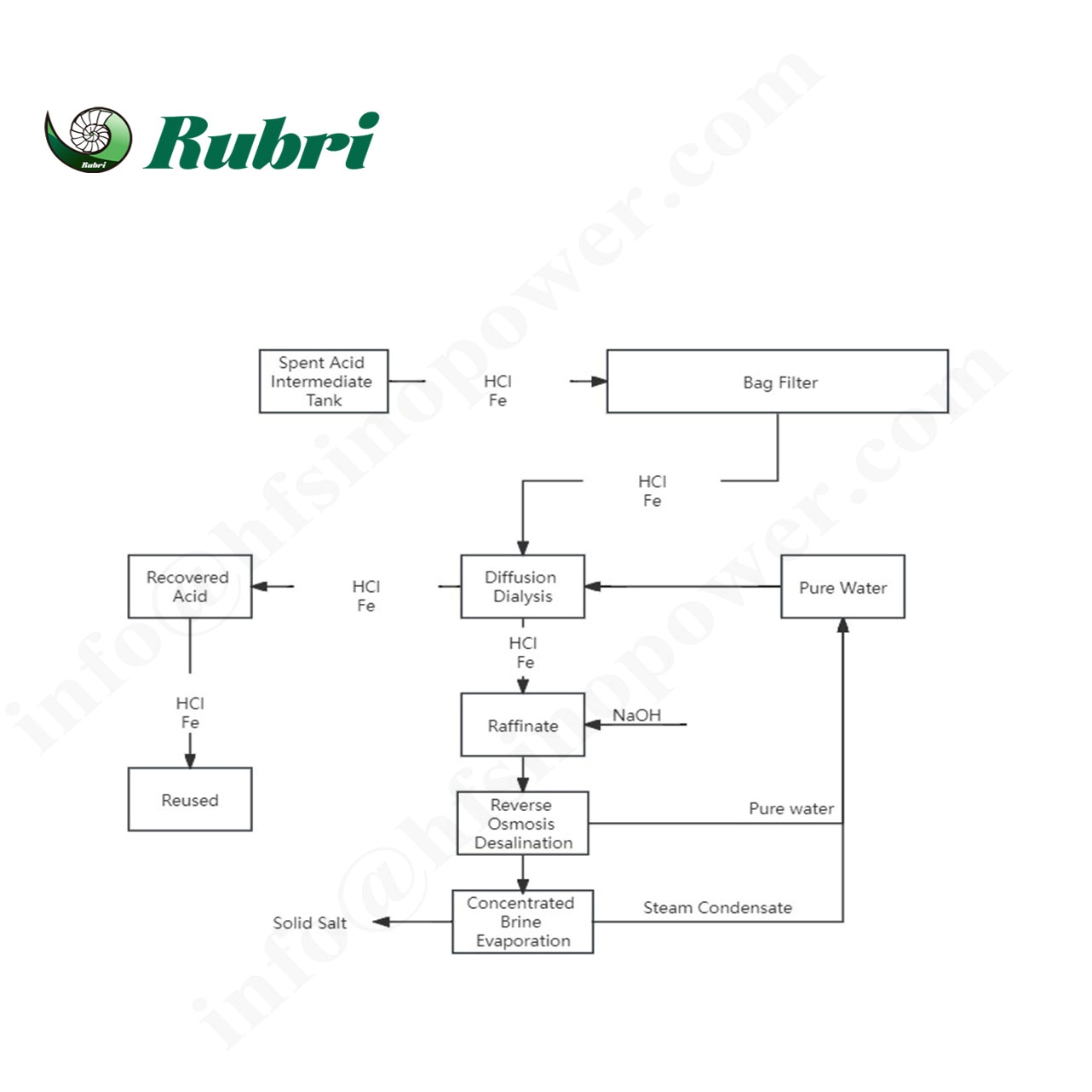
Rubri mahir dalam teknologi dialisis resapan dan mahir dalam mereka bentuk dan melaksanakan penyelesaian tersuai, menyediakan pelanggan dengan penyelesaian pengeluaran hijau dan bersih yang komprehensif.
BACA LAGI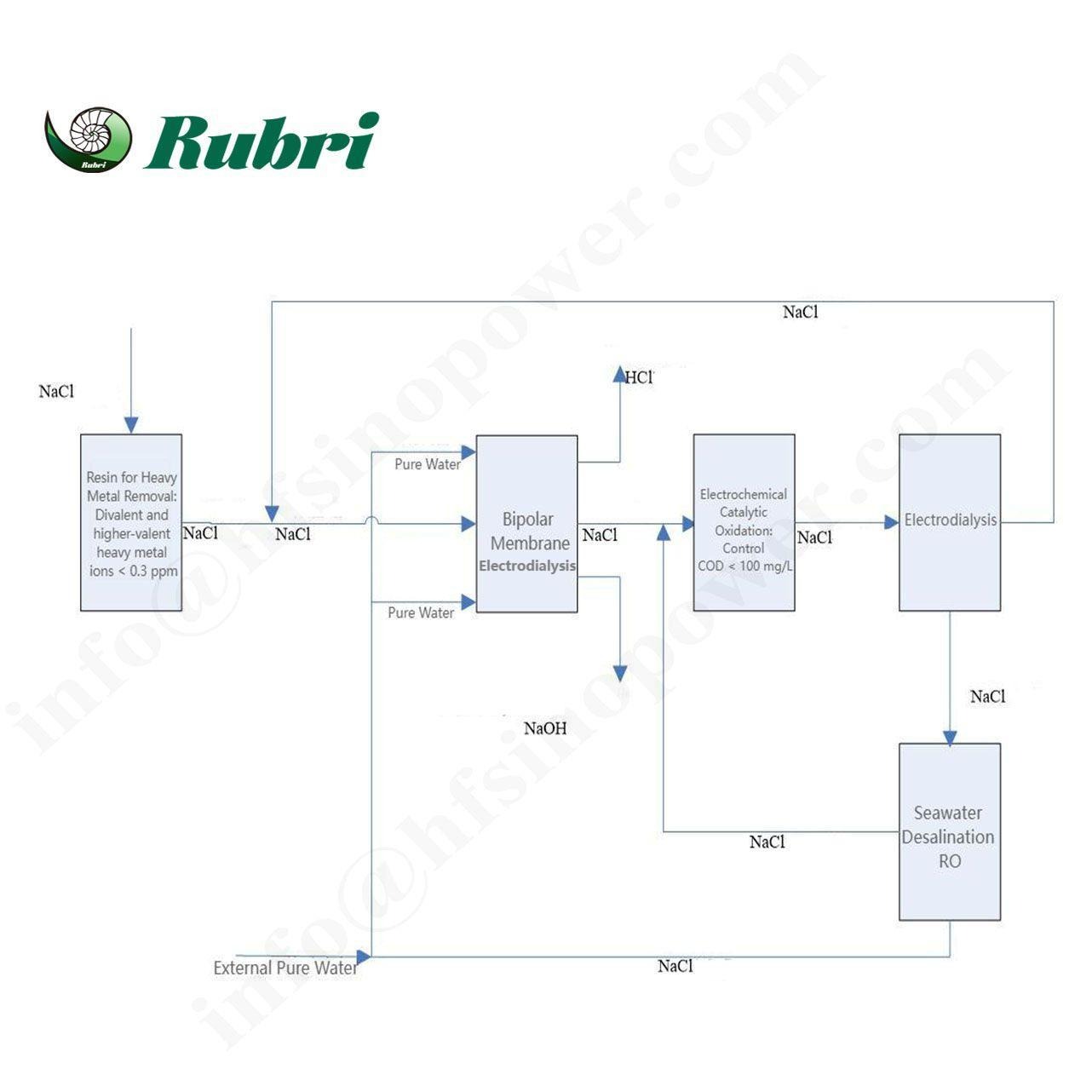
Rubri mahir dalam teknologi elektrodialisis membran bipolar dan mahir dalam mereka bentuk dan melaksanakan penyelesaian tersuai, menyediakan pelanggan dengan pelan pengeluaran hijau dan bersih yang komprehensif.
BACA LAGI
Prinsip Teras ElektrodialisisTeras teknologi elektrodialisis terletak pada gabungan medan elektrik dan teknologi membran terpilih, dengan prinsip khusus dibahagikan kepada dua bahagian:1. Kesan pemacu medan elektrik DCDi bawah tindakan medan elektrik DC, anion dan kation dalam larutan bergerak secara berarah: kation berhijrah ke arah elektrod negatif, manakala anion berhijrah ke arah elektrod positif.2. Kesan penapisan terpilih membran pertukaran ionDua jenis membran pertukaran ion digunakan dalam sistem untuk mencapai pemisahan ion:Membran pertukaran kation: Hanya membenarkan kation (contohnya, Na+, Ca2+, Mg2+) untuk melaluinya, sambil menyekat anion.Membran pertukaran anion: Hanya membenarkan anion (cth., Cl-, jadi42-) untuk melaluinya, sambil menyekat kation.
BACA LAGI
Teknologi ini berdasarkan prinsip elektrodialisis membran bipolar. Di bawah tindakan medan elektrik arus terus, ia menggunakan membran bipolar untuk memisahkan molekul air dengan cekap kepada ion hidrogen dan ion hidroksida. Proses ini kemudiannya menukarkan garam dalam air sisa penyaduran elektrik (seperti natrium klorida, natrium sulfat, dsb.) secara berarah kepada asid yang sepadan (seperti asid hidroklorik, asid sulfurik) dan alkali (seperti natrium hidroksida), mencapai objektif berganda iaitu penulenan air sisa dan pemulihan sumber.
BACA LAGI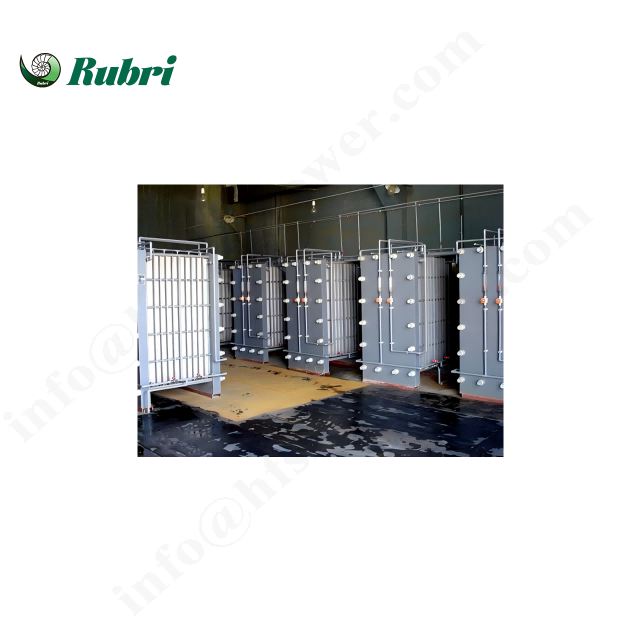
Prinsip Teras ElektrodialisisTeras teknologi elektrodialisis terletak pada gabungan medan elektrik dan teknologi membran terpilih. Prinsip khususnya dibahagikan kepada dua bahagian:Kesan Pemacu Medan Elektrik DC dan Kecerunan KepekatanDi bawah tindakan medan elektrik DC atau kecerunan kepekatan, anion dan kation dalam larutan bergerak secara berarah: kation berhijrah ke arah elektrod negatif, manakala anion berhijrah ke arah elektrod positif; zat terlarut bergerak dari larutan berkepekatan tinggi ke larutan berkepekatan rendah.Kesan Penapisan Selektif Membran Pertukaran IonDua jenis membran pertukaran ion digunakan dalam sistem untuk mencapai pemisahan ion:Membran Pertukaran Kation: Hanya membenarkan kation (cth., Na⁺, Ca²⁺, Mg²⁺) melaluinya, sambil menyekat anion.Membran Pertukaran Anion: Hanya membenarkan anion (contohnya, Cl⁻, SO₄²⁻) melaluinya, sambil menyekat kation.
BACA LAGI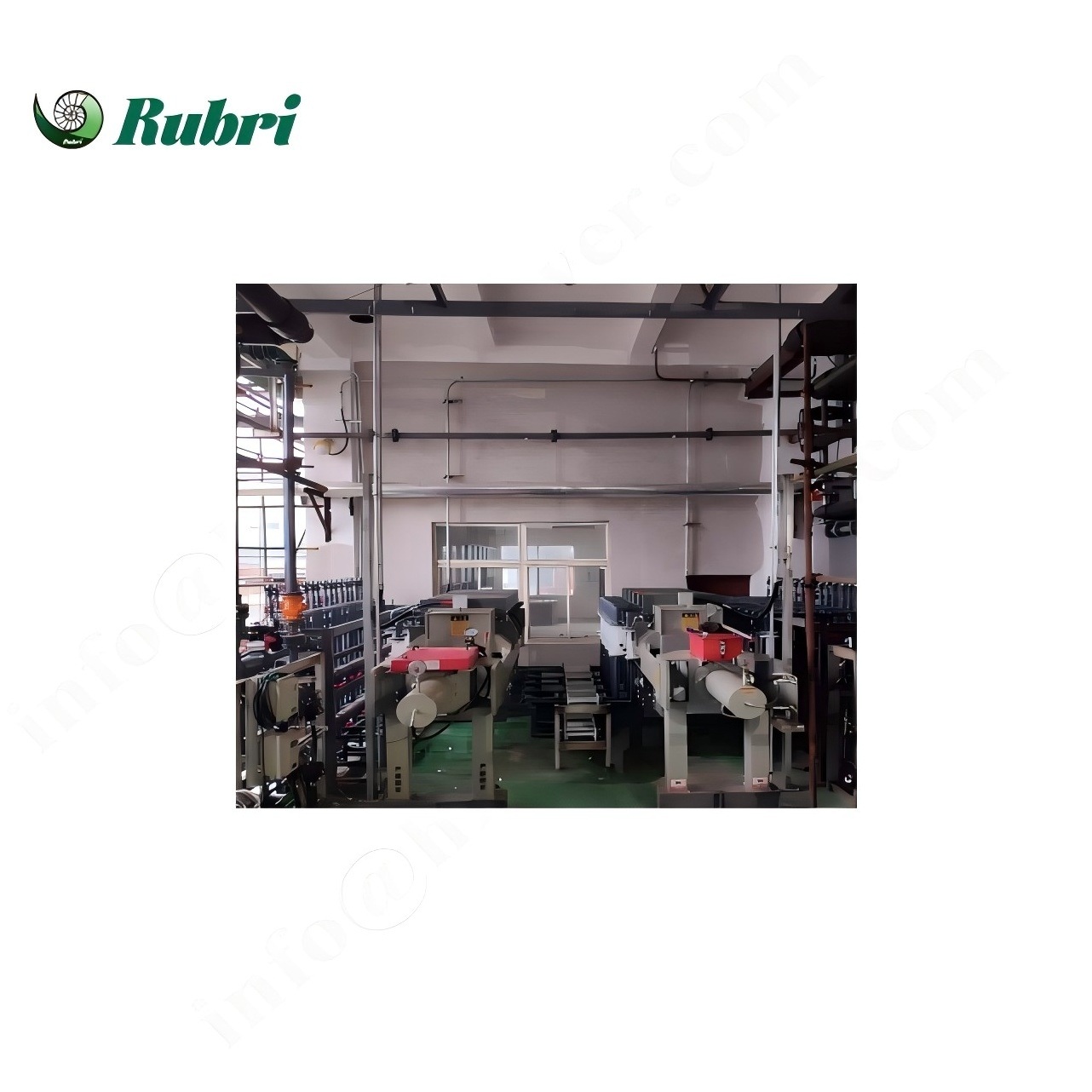
Prinsip Teras Elektrodialisis Membran Bipolar (BPED)Teras teknologi BPED terletak pada gabungan medan elektrik, teknologi membran terpilih dan keupayaan pemisahan air yang unik bagi membran bipolar.1. Kesan Pemacuan Medan Elektrik DCDi bawah medan elektrik DC, ion berhijrah secara berarah: kation bergerak ke arah katod, manakala anion bergerak ke arah anod.2. Fungsi MembranMembran Bipolar (BPM): Membelah air (H2O) ke dalamH+danOH−ion di bawah medan elektrik, menyediakan sumber untuk penghasilan asid dan bes.Membran Pertukaran Kation (CEM): Secara selektif membenarkan kation melaluinya.Membran Pertukaran Anion (AEM): Secara selektif membenarkan anion melaluinya.Dengan menyusun membran ini secara berselang-seli, garam boleh ditukar menjadi asid dan bes yang sepadan.
BACA LAGI


 IPv6 RANGKAIAN DISOKONG