Melayu
 English
 français
 Deutsch
 italiano
 русский
 español
 português
 العربية
 Nederlands
 한국의
한국의 Romania
 Bulgaria

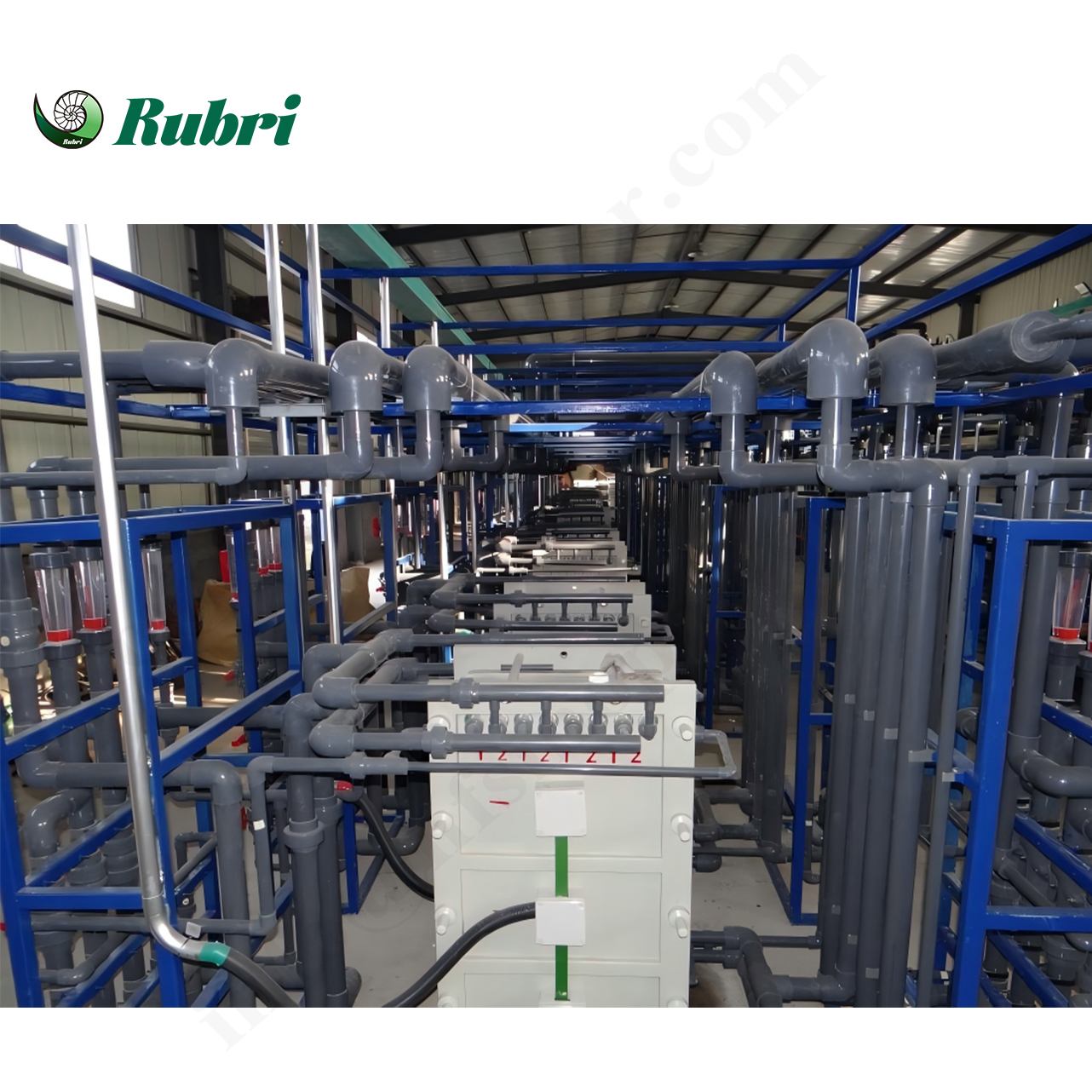
Pengenalan
Elektrodialisis Membran Bipolar (BMED) ialah teknologi pemisahan elektrokimia canggih yang menggunakan susunan membran khusus untuk menukar garam secara langsung kepada asid dan bes yang sepadan. Komponen terasnya ialah membran bipolar (BPM), yang terdiri daripada lapisan pertukaran kation dan lapisan pertukaran anion yang dilaminasi bersama. Di bawah pengaruh medan elektrik arus terus (DC), BPM memangkinkan penceraian molekul air pada persimpangannya, menghasilkan ion H⁺ dan OH⁻. Ion-ion ini berhijrah melalui susunan membran untuk bertindak balas dengan anion dan kation daripada larutan suapan garam, sekali gus menghasilkan produk asid dan bes secara serentak.
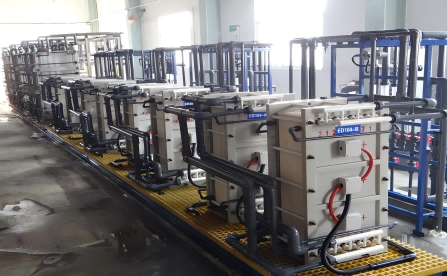
Konfigurasi Sistem
Sistem BMED dikategorikan terutamanya berdasarkan reka bentuk pasangan sel mereka:
Sistem dua petak: Konfigurasi paling ringkas, terdiri daripada membran pertukaran bipolar dan monopolar (sama ada anion atau kation) yang berselang-seli. Ia padat dan cekap tenaga tetapi mungkin menghasilkan produk dengan ketulenan yang lebih rendah.
Sistem tiga petak: Ini merupakan konfigurasi perindustrian yang paling banyak digunakan. Ia menampilkan unit berulang membran bipolar (BPM), membran pertukaran kation (CEM) dan membran pertukaran anion (AEM), yang mewujudkan tiga petak berbeza: petak garam pusat, petak asid dan petak bes. Reka bentuk ini memastikan ketulenan produk yang tinggi dan pemisahan yang cekap.
Sistem berbilang petak: Reka bentuk yang lebih kompleks ini (contohnya, empat atau lima petak) digunakan untuk aplikasi khusus yang memerlukan pemisahan berbilang spesies ionik atau untuk mencapai kecerunan kepekatan yang sangat tinggi.
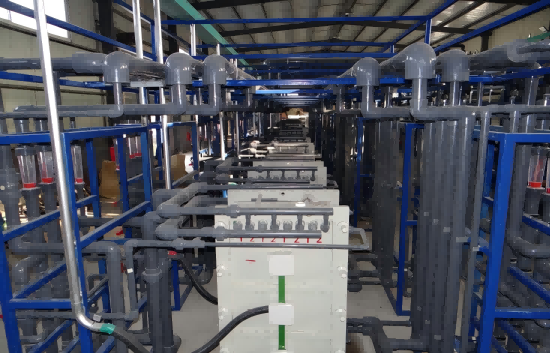
Kelebihan Utama
BMED menawarkan beberapa faedah menarik berbanding proses kimia konvensional:
Proses Hijau dan Lestari: Teknologi ini tidak memerlukan penambahan bahan kimia luaran (seperti asid atau bes kuat untuk peneutralan). Input utamanya ialah garam dan air, dan output utamanya ialah asid dan bes, menghasilkan proses pelepasan cecair gelung tertutup hampir sifar.
Ketulenan Produk Tinggi: BMED boleh menghasilkan asid dan bes berketulenan tinggi. Contohnya, ia mampu mengeluarkan litium hidroksida (LiOH) gred elektronik tanpa pencemaran natrium, yang penting untuk aplikasi bateri.
Pemulihan dan Penguatan Sumber: Ia mengubah garam buangan (contohnya, NaCl, Na₂SO₄, Li₂SO₄) daripada efluen perindustrian kepada produk asid dan alkali yang berharga, sekali gus mengubah masalah pelupusan menjadi peluang ekonomi.
Kecekapan Tenaga dan Keberkesanan Kos: Beroperasi pada suhu dan tekanan ambien, BMED mempunyai penggunaan tenaga yang lebih rendah berbanding proses terma seperti penyejatan atau kaedah kaustikisasi tradisional untuk pengeluaran LiOH. Kos operasi terutamanya adalah susut nilai elektrik dan peralatan.
Hasil dan Selektiviti Tinggi: Proses ini sangat selektif dan boleh mencapai hasil hampir kuantitatif. Dalam pengeluaran LiOH, sebagai contoh, kehilangan litium adalah minimum, yang membawa kepada kadar pemulihan lebih 99%.
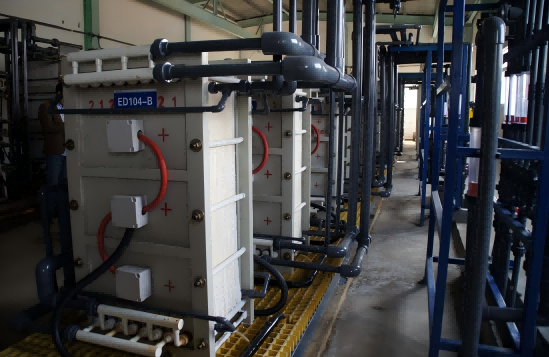
Aplikasi Utama
Teknologi BMED telah menemui aplikasi yang pelbagai dan berimpak merentasi pelbagai industri:
Penghasilan Asid/Alkali Organik: Ia menukarkan garam asid organik (contohnya, natrium laktat, natrium sitrat, natrium glukonat, garam asid amino) secara langsung kepada bentuk asid bebasnya dengan cekap. Begitu juga, ia boleh menjana semula bes organik seperti amina penyahsulfuran dan cecair ionik tanpa memperkenalkan kation luaran.
Penggunaan Sumber Air Garam dan Sisa: BMED menukar garam bukan organik daripada air sisa industri kepada HCl/NaOH atau H₂SO₄/NaOH yang boleh diguna semula, menyelesaikan isu perolehan sisa dan bahan mentah.
Sintesis Kimia Ketulenan Tinggi: Aplikasi utama ialah penghasilan litium hidroksida gred bateri daripada air garam litium sulfat. Proses ini menghasilkan LiOH dan asid sulfurik berketulenan tinggi sebagai produk bersama, dengan kelebihan ketara dari segi kualiti, hasil dan jejak alam sekitar.
Pemulihan Alam Sekitar & Ekonomi Pekeliling: BMED adalah penting kepada skim pelepasan sifar cecair (ZLD) dalam sektor seperti penyaduran elektrik, pemprosesan nadir bumi dan makanan & farmaseutikal, yang membolehkan pemulihan bahan kimia berharga daripada aliran sisa kompleks.
Industri Farmaseutikal dan Makanan: Teknologi ini digunakan untuk penulenan dan kepekatan sebatian sensitif haba secara lembut seperti vitamin, asid amino dan produk berasaskan bio lain, bagi memelihara integritinya.
PengenalanElektrodialisis Membran Bipolar (BMED) ialah teknologi pemisahan elektrokimia canggih yang menggunakan susunan membran khusus untuk menukar garam secara langsung kepada asid dan bes yang sepadan. Komponen terasnya ialah membran bipolar (BPM), yang terdiri daripada lapisan pertukaran kation dan lapisan pertukaran anion yang dilaminasi bersama. Di bawah pengaruh medan elektrik arus terus (DC), BPM memangkinkan penceraian molekul air pada persimpangannya, menghasilkan ion H⁺ dan OH⁻. Ion-ion ini berhijrah melalui susunan membran untuk bertindak balas dengan anion dan kation daripada larutan suapan garam, sekali gus menghasilkan produk asid dan bes secara serentak.
BACA LAGI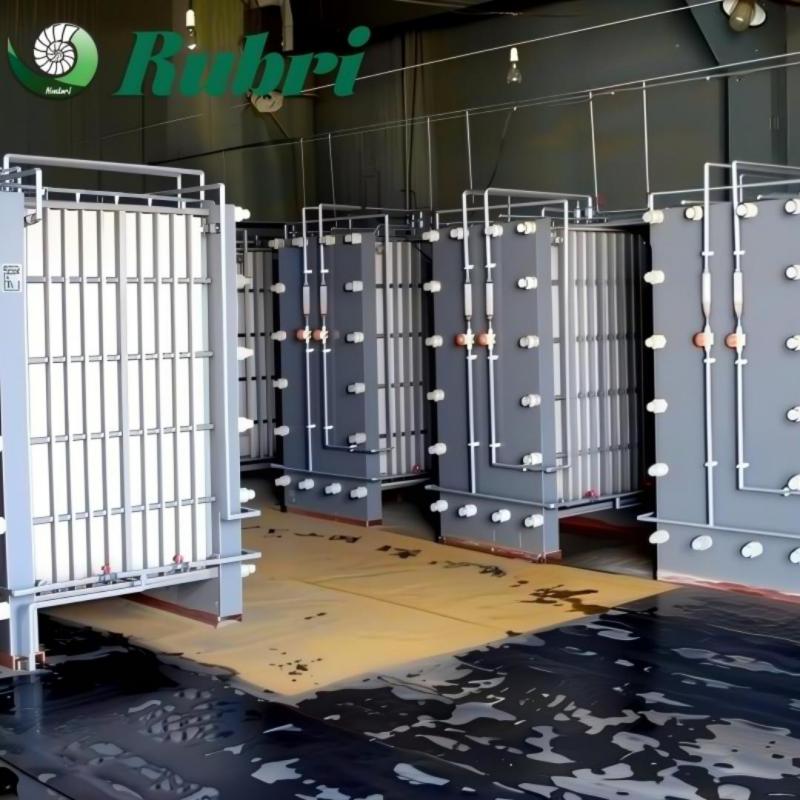
Elektrodialisis ialah peralatan pemisahan ion teras yang menggunakan teknologi elektrodialisis. Dengan menggunakan medan elektrik DC dan memadankan membran pertukaran anion dan kation, ia menyedari penghijrahan dan pemisahan ion dalam cecair secara berarah. Dengan struktur yang mudah dan andal, ia dikelaskan kepada jenis bersepadu berikat skru dan hidraulik untuk skala penggunaan yang berbeza. Digunakan secara meluas dalam penyahgaraman air laut, rawatan air sisa industri, kepekatan makanan, penulenan farmaseutikal dan pemprosesan elektrolit tenaga baharu, ia melengkapkan penyahgaraman larutan, kepekatan dan penyingkiran bendasing ionik dengan cekap.
BACA LAGI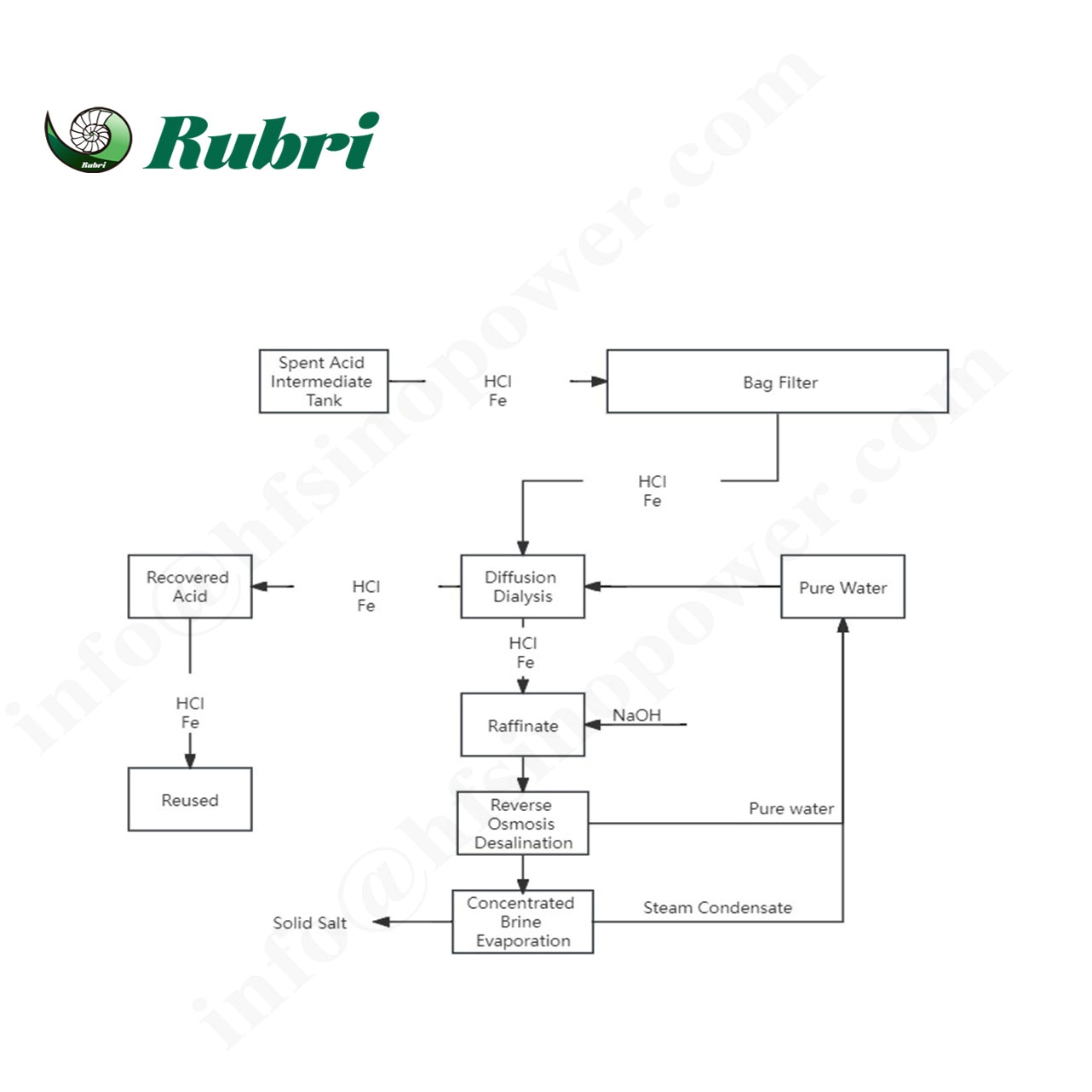
Rubri mahir dalam teknologi dialisis resapan dan mahir dalam mereka bentuk dan melaksanakan penyelesaian tersuai, menyediakan pelanggan dengan penyelesaian pengeluaran hijau dan bersih yang komprehensif.
BACA LAGI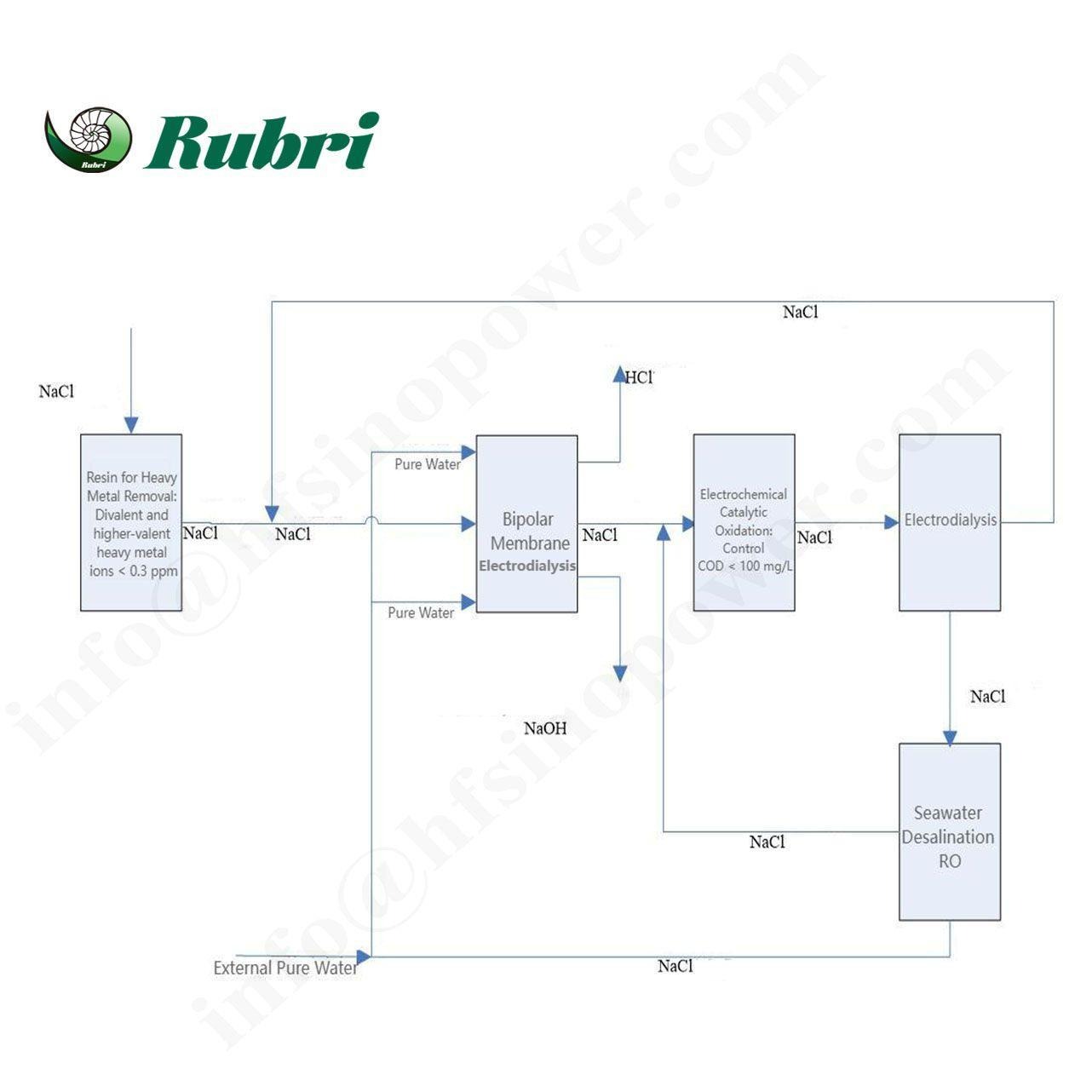
Rubri mahir dalam teknologi elektrodialisis membran bipolar dan mahir dalam mereka bentuk dan melaksanakan penyelesaian tersuai, menyediakan pelanggan dengan pelan pengeluaran hijau dan bersih yang komprehensif.
BACA LAGI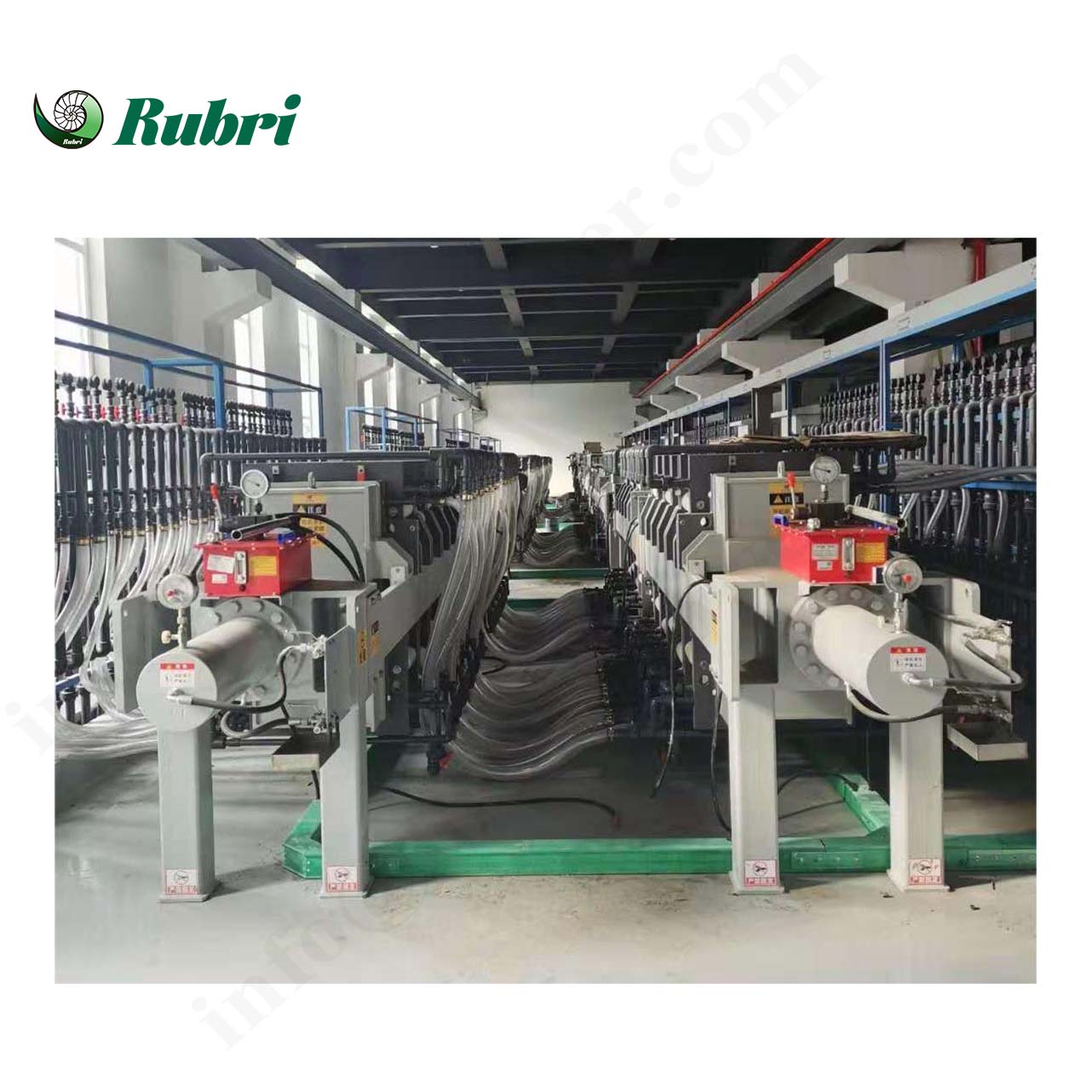
Prinsip Teras ElektrodialisisTeras teknologi elektrodialisis terletak pada gabungan medan elektrik dan teknologi membran terpilih, dengan prinsip khusus dibahagikan kepada dua bahagian:1. Kesan pemacu medan elektrik DCDi bawah tindakan medan elektrik DC, anion dan kation dalam larutan bergerak secara berarah: kation berhijrah ke arah elektrod negatif, manakala anion berhijrah ke arah elektrod positif.2. Kesan penapisan terpilih membran pertukaran ionDua jenis membran pertukaran ion digunakan dalam sistem untuk mencapai pemisahan ion:Membran pertukaran kation: Hanya membenarkan kation (contohnya, Na+, Ca2+, Mg2+) untuk melaluinya, sambil menyekat anion.Membran pertukaran anion: Hanya membenarkan anion (cth., Cl-, jadi42-) untuk melaluinya, sambil menyekat kation.
BACA LAGI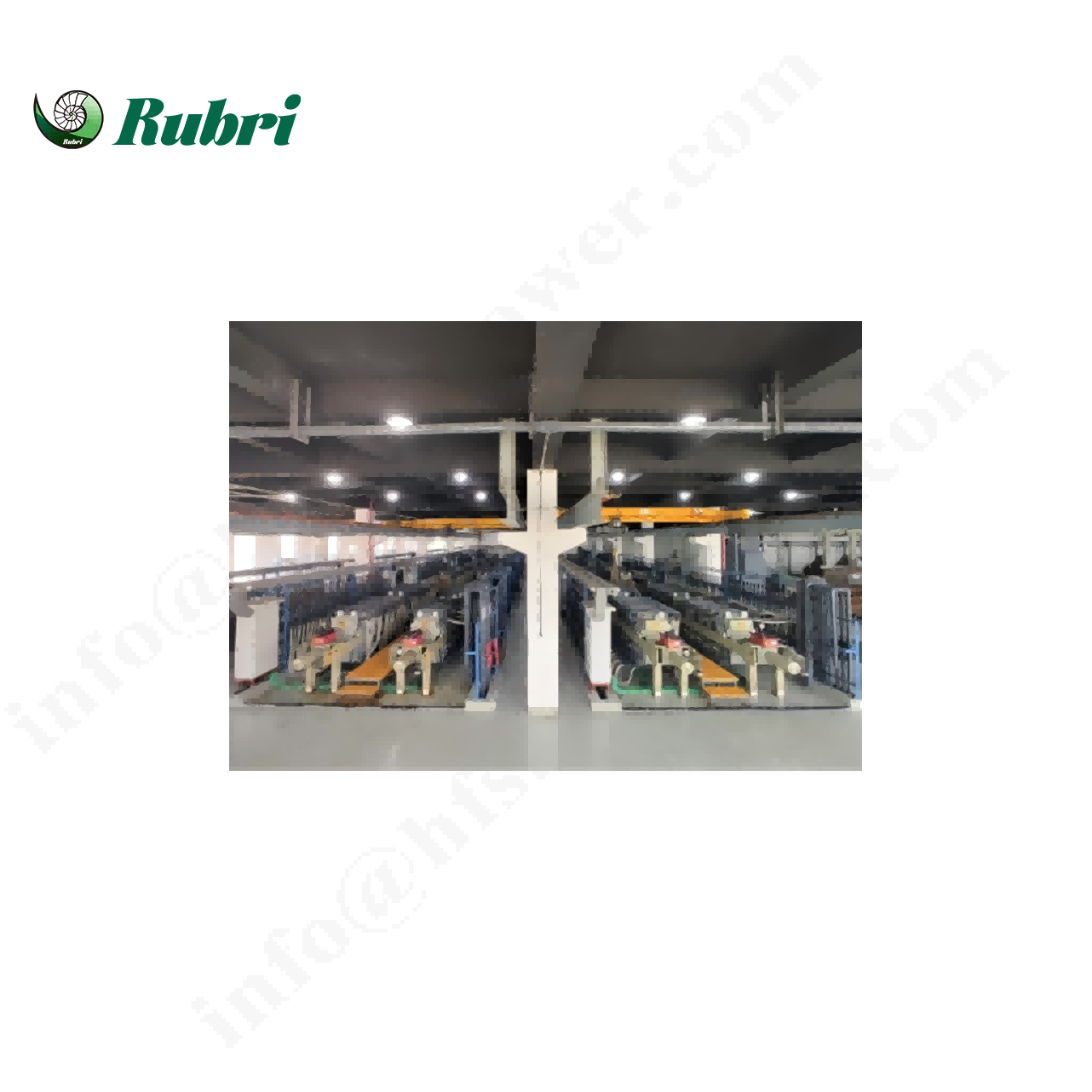
Teknologi ini berdasarkan prinsip elektrodialisis membran bipolar. Di bawah tindakan medan elektrik arus terus, ia menggunakan membran bipolar untuk memisahkan molekul air dengan cekap kepada ion hidrogen dan ion hidroksida. Proses ini kemudiannya menukarkan garam dalam air sisa penyaduran elektrik (seperti natrium klorida, natrium sulfat, dsb.) secara berarah kepada asid yang sepadan (seperti asid hidroklorik, asid sulfurik) dan alkali (seperti natrium hidroksida), mencapai objektif berganda iaitu penulenan air sisa dan pemulihan sumber.
BACA LAGI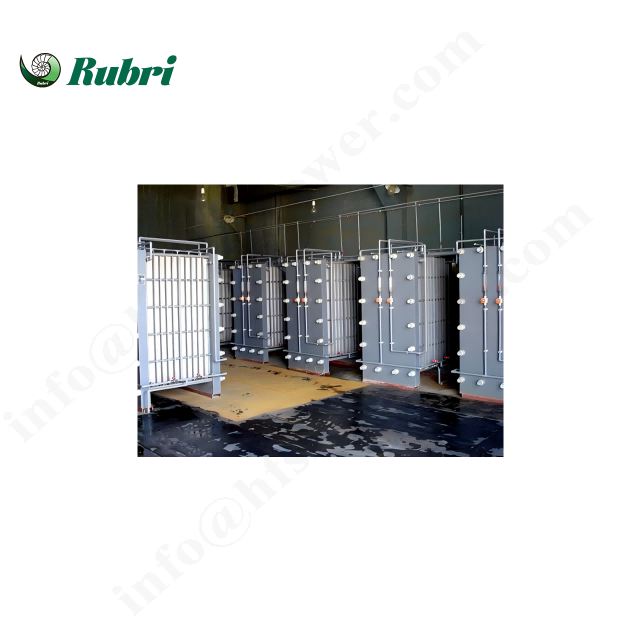
Prinsip Teras ElektrodialisisTeras teknologi elektrodialisis terletak pada gabungan medan elektrik dan teknologi membran terpilih. Prinsip khususnya dibahagikan kepada dua bahagian:Kesan Pemacu Medan Elektrik DC dan Kecerunan KepekatanDi bawah tindakan medan elektrik DC atau kecerunan kepekatan, anion dan kation dalam larutan bergerak secara berarah: kation berhijrah ke arah elektrod negatif, manakala anion berhijrah ke arah elektrod positif; zat terlarut bergerak dari larutan berkepekatan tinggi ke larutan berkepekatan rendah.Kesan Penapisan Selektif Membran Pertukaran IonDua jenis membran pertukaran ion digunakan dalam sistem untuk mencapai pemisahan ion:Membran Pertukaran Kation: Hanya membenarkan kation (cth., Na⁺, Ca²⁺, Mg²⁺) melaluinya, sambil menyekat anion.Membran Pertukaran Anion: Hanya membenarkan anion (contohnya, Cl⁻, SO₄²⁻) melaluinya, sambil menyekat kation.
BACA LAGI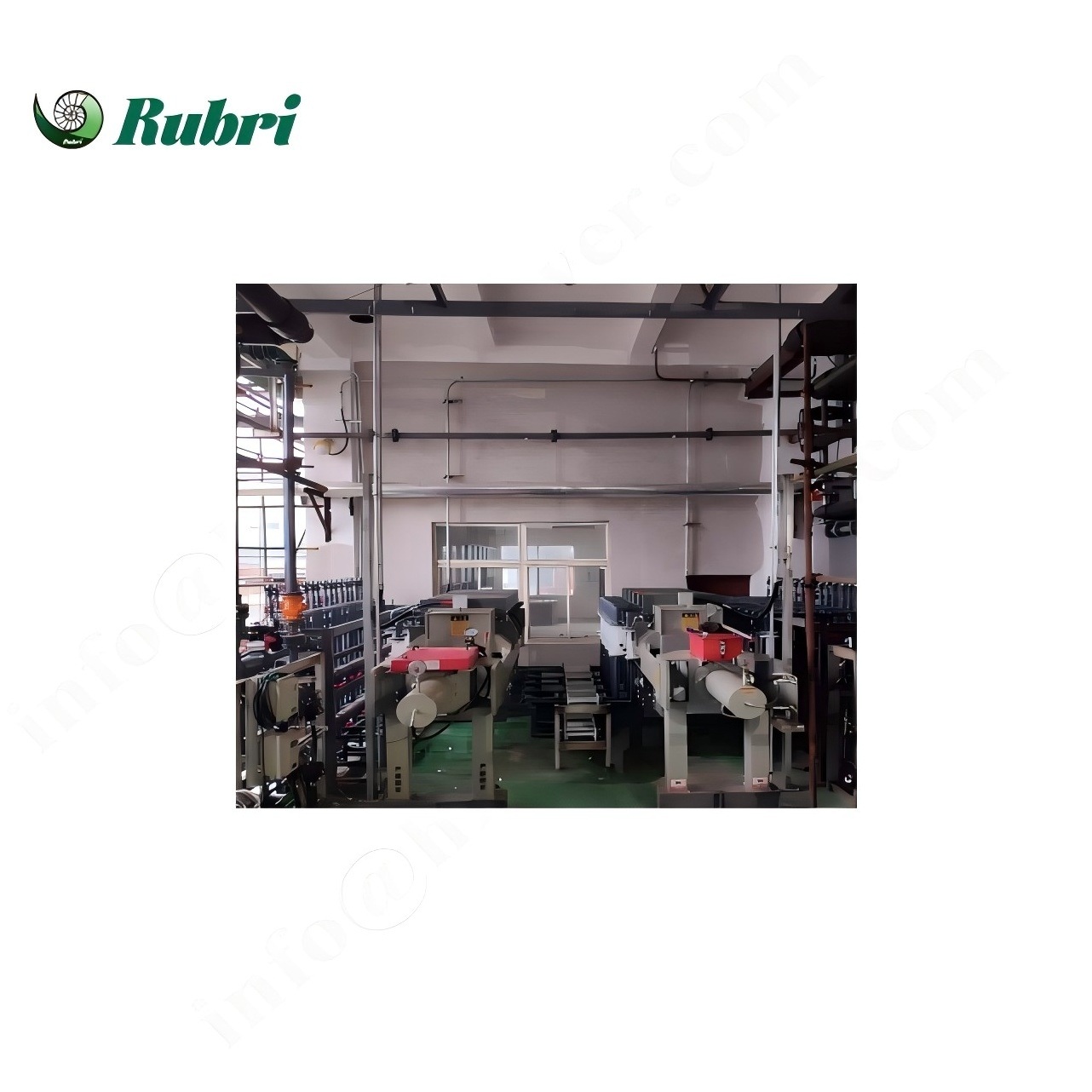
Prinsip Teras Elektrodialisis Membran Bipolar (BPED)Teras teknologi BPED terletak pada gabungan medan elektrik, teknologi membran terpilih dan keupayaan pemisahan air yang unik bagi membran bipolar.1. Kesan Pemacuan Medan Elektrik DCDi bawah medan elektrik DC, ion berhijrah secara berarah: kation bergerak ke arah katod, manakala anion bergerak ke arah anod.2. Fungsi MembranMembran Bipolar (BPM): Membelah air (H2O) ke dalamH+danOH−ion di bawah medan elektrik, menyediakan sumber untuk penghasilan asid dan bes.Membran Pertukaran Kation (CEM): Secara selektif membenarkan kation melaluinya.Membran Pertukaran Anion (AEM): Secara selektif membenarkan anion melaluinya.Dengan menyusun membran ini secara berselang-seli, garam boleh ditukar menjadi asid dan bes yang sepadan.
BACA LAGI


 IPv6 RANGKAIAN DISOKONG